The Ecological Role of Psychedelic Mushrooms in Nature
Psychedelic mushrooms are more than remarkable organisms studied for their chemistry and taxonomy. They are essential components of complex ecosystems that have evolved over millions of years, performing biological functions that support the health, stability, and sustainability of natural environments. Every mushroom exists as part of a much larger ecological network where fungi, plants, microorganisms, animals, soil, water, and climate interact continuously to maintain ecological balance. Understanding this relationship has become an important objective within modern ecology, environmental biology, mycology, and conservation science.
Although mushrooms are often recognized only by the fruiting bodies visible above the ground, the majority of the organism exists beneath the surface as an extensive underground network known as mycelium. This living network forms intricate connections throughout the soil, recycling nutrients, decomposing organic matter, supporting microbial communities, and contributing to the long term health of forests, grasslands, and other natural habitats. Scientific research continues to demonstrate that fungi are among the most important organisms sustaining terrestrial ecosystems across the planet.
Mycelium: Nature’s Hidden Network
The visible mushroom represents only a small portion of an organism whose true structure remains hidden beneath the soil or within decaying organic material. Mycelium consists of countless microscopic filaments called hyphae that spread through the environment in search of nutrients and moisture. These interconnected threads create vast biological networks capable of covering extensive areas while continuously interacting with surrounding organisms.
Modern ecological research increasingly recognizes mycelium as one of nature’s most efficient nutrient distribution systems. As organic material breaks down, fungal networks release specialized enzymes that decompose complex biological compounds into simpler nutrients that become available to other organisms within the ecosystem. This process supports plant growth, enriches soil fertility, and drives the natural recycling systems that sustain life in forests and grasslands throughout the world.
Decomposition and Nutrient Cycling
One of the most important ecological functions performed by mushrooms is decomposition. Fallen trees, leaves, branches, grasses, and countless forms of organic material would accumulate indefinitely without fungi capable of breaking them down. Through highly specialized enzymatic processes, fungi convert complex plant tissues into simpler compounds that can be reused by plants, microorganisms, and other living organisms within the environment.
This continuous recycling of nutrients forms one of the foundations of terrestrial ecosystems. Carbon, nitrogen, phosphorus, potassium, and numerous essential minerals move through natural cycles in which fungi play indispensable roles. Environmental scientists consider fungal decomposition one of the driving forces behind healthy soil formation, forest regeneration, and long term ecosystem productivity. Without these biological processes, many terrestrial habitats would struggle to maintain their ecological balance.
Habitats That Support Fungal Diversity
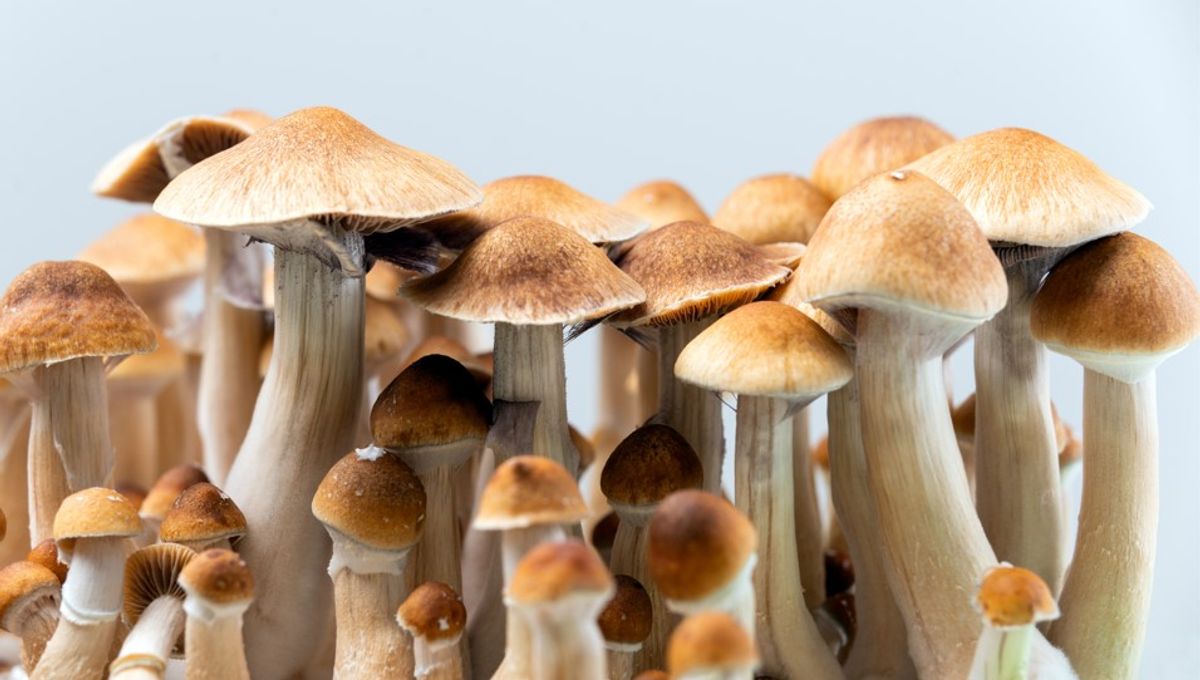
Different species of psychedelic mushrooms have adapted to remarkably diverse environments across the globe. Some species thrive in temperate deciduous forests where decomposing hardwood provides abundant organic material, while others prefer tropical rainforests characterized by warm temperatures and high humidity. Grasslands, subtropical woodlands, mountainous regions, coastal ecosystems, and even high altitude environments support unique fungal communities adapted to their specific ecological conditions.
The distribution of these species is influenced by numerous environmental variables, including soil composition, moisture levels, climate, vegetation, altitude, seasonal rainfall, and interactions with surrounding microorganisms. Ecologists continue studying these environmental relationships to understand how changing ecosystems influence fungal biodiversity and how fungi respond to natural environmental variation over time.
Biodiversity and Ecological Balance
Fungi are among the most diverse groups of organisms on Earth, with scientists estimating that millions of fungal species remain undiscovered or scientifically undocumented. This remarkable biodiversity contributes significantly to ecosystem resilience by supporting decomposition, nutrient cycling, soil formation, microbial diversity, and interactions with plant communities. Every fungal species occupies a specialized ecological niche that contributes to the stability of broader biological systems.
The conservation of fungal diversity has therefore become an increasingly important area of environmental science. Protecting forests, wetlands, grasslands, and other natural habitats helps preserve not only visible plant and animal life but also the complex fungal communities that maintain ecosystem function beneath the surface. Continued ecological research highlights the importance of fungi as fundamental components of healthy environments rather than isolated biological organisms.
Advancing Ecological Understanding Through Modern Science
The scientific study of fungal ecology has expanded rapidly through advances in molecular biology, environmental DNA sequencing, satellite mapping, climate modeling, and computational ecology. Researchers can now investigate fungal communities with extraordinary precision, identifying species, mapping underground mycelial networks, and examining ecological relationships that were previously impossible to observe using traditional field methods alone.
These technologies continue transforming environmental science by revealing the extraordinary complexity of fungal ecosystems and their interactions with surrounding biological communities. As climate change, habitat modification, and biodiversity conservation become increasingly important global priorities, fungal ecology will remain a vital area of scientific investigation. Understanding how psychedelic mushrooms contribute to ecosystem health ultimately strengthens our appreciation of the interconnected natural systems upon which all terrestrial life depends.