

Buy Fryd chocolate bars 1000mg Fryd chocolate bars are the...
Read MorePsilocybin mushrooms are naturally occurring fungi that contain the psychoactive compounds psilocybin and psilocin. Distributed across diverse climates and ecosystems, these mushrooms have attracted scientific, cultural, and historical interest for centuries. Today, they remain among the most extensively researched naturally occurring psychedelics, contributing to advances in neuroscience, psychology, and pharmacology.
More than 200 identified species contain psilocybin or related compounds, with each species exhibiting unique characteristics, habitats, and concentrations of naturally occurring alkaloids. Their remarkable biological diversity has made them an important subject in mycology while their effects on the human brain continue to inspire modern scientific investigation.
The Science Behind Psilocybin
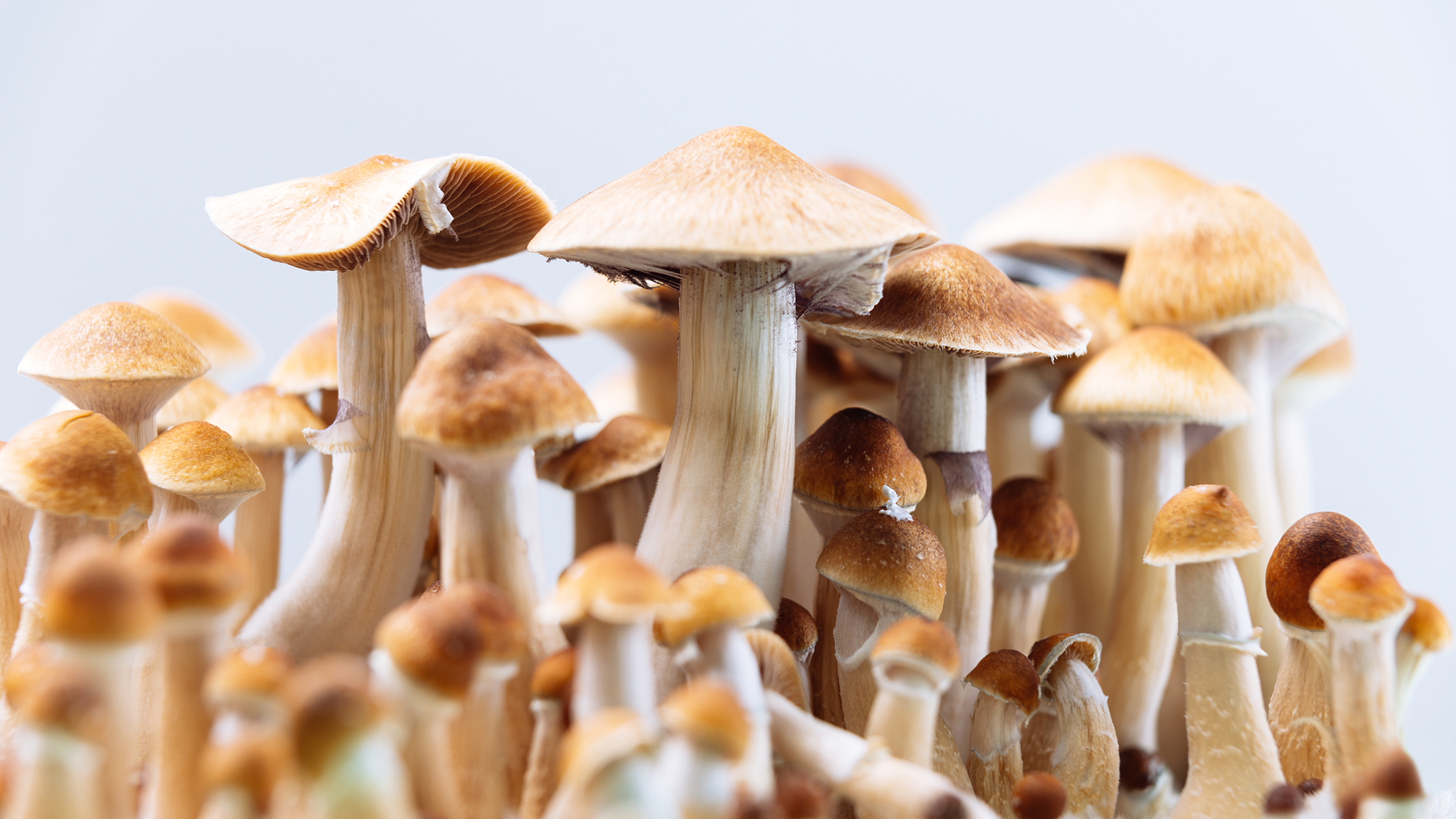
Psilocybin is a naturally occurring compound that is converted within the body into psilocin, the molecule primarily responsible for its psychoactive effects. Scientific research has demonstrated that psilocin interacts with serotonin receptors, particularly the 5-HT2A receptor, influencing communication between regions of the brain associated with perception, cognition, emotion, and conscious awareness.
Modern neuroimaging techniques have enabled researchers to observe temporary changes in brain network connectivity during controlled clinical studies. These findings continue to improve scientific understanding of how the brain processes information while expanding knowledge of human consciousness and neural function.
A Rich Cultural and Historical Legacy

The relationship between humans and psilocybin containing mushrooms extends back centuries. Archaeological discoveries and historical records indicate that Indigenous communities in parts of Central and South America incorporated these fungi into spiritual, ceremonial, and cultural traditions. These longstanding practices contributed to early understanding of the mushrooms long before modern scientific research began.
Interest within the scientific community expanded during the twentieth century, leading to extensive pharmacological studies and renewed clinical research in recent decades. Today, universities, hospitals, and research institutions around the world continue to investigate their biological properties and potential applications.
Common Species of Psilocybin Mushrooms
Scientists have documented numerous species belonging primarily to the Psilocybe genus, alongside several related genera. Among the best known species are:
* Psilocybe cubensis
* Psilocybe semilanceata
* Psilocybe azurescens
* Psilocybe cyanescens
* Psilocybe mexicana
* Psilocybe tampanensis
* Psilocybe caerulescens
* Psilocybe ovoideocystidiata
Each species possesses distinct botanical characteristics, ecological habitats, and naturally occurring concentrations of active compounds, making accurate identification an essential aspect of mycological research.
Modern Scientific Research
Psilocybin has become one of the leading subjects in contemporary psychedelic science. Researchers continue to explore its influence on brain function, neural communication, emotional processing, and cognitive flexibility through carefully designed clinical studies.
Current areas of scientific investigation include neuroscience, neuroplasticity, psychology, psychiatry, consciousness research, behavioral science, and functional brain imaging. As evidence continues to develop, these studies contribute valuable knowledge to the broader understanding of the human brain and mental processes.
Safety and Scientific Responsibility
Scientific investigations involving psilocybin emphasize rigorous research standards, ethical oversight, participant screening, and controlled environments. Researchers also highlight the importance of accurate mushroom identification, as many visually similar species contain toxic compounds capable of causing serious illness.
Responsible education encourages readers to rely on evidence based information while recognizing that scientific understanding continues to evolve through ongoing research and peer reviewed studies.
Legal Considerations
The legal status of psilocybin mushrooms differs significantly between countries and jurisdictions. Some regions permit limited scientific research or regulated medical access, while others maintain strict legal restrictions. Individuals should always consult current laws and regulations applicable to their location before making decisions involving psilocybin containing mushrooms.
Why Psilocybin Mushrooms Continue to Shape Modern Science
From ancient traditions to advanced neuroscience laboratories, psilocybin mushrooms occupy a unique place in the study of biology, psychology, medicine, and consciousness. Their remarkable chemistry, ecological diversity, and growing body of scientific research continue to position them among the most significant naturally occurring psychedelic organisms studied today, inspiring new discoveries while deepening our understanding of the human mind.

Laughing Gas Collab Mushroom Chocolate Bars
Laughing Gas Collab Mushroom Chocolate Bars Introducing the Laughing Gas...
Read More
Buy Wavy caps Mushrooms Online
Buy Wavy caps Mushrooms Online One of the so-called ‘Magic...
Read More
Buy Wonka Bar Mushroom Bars {Box}
Buy Wonka Bar Mushroom Bars {Box} Experience the extraordinary with...
Read More
Research Psychedelics
Research Psychedelics Discover how emerging psychedelic compounds are advancing neuroscience,...
Read MoreUnderstanding Psychedelics
Understanding Psychedelics Explore the science, history, and evolving research behind...
Read More
Exploring the Science of Iboga
Understanding One of Central Africa’s Most Remarkable Botanical Species Among...
Read More
What Are Psychedelics?
A Comprehensive Introduction to Psychedelics and Their Place in Modern...
Read More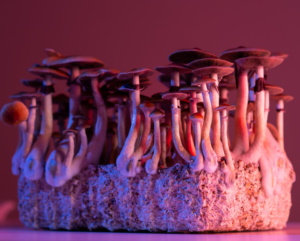
Cultural Perspectives on Psychedelics
Understanding How Different Cultures Have Interacted With Nature Across History...
Read More
Understanding LSD and Lysergamides
A Scientific Introduction to the Lysergamide Family Lysergamides are a...
Read More