

Buy Alice Mushroom Chocolate Each bite of Brainstorm is formulated...
Read MoreIboga refers to Tabernanthe iboga, a perennial shrub native to the rainforests of Central Africa, where it has long held cultural and ceremonial significance among several Indigenous communities. The plant contains a complex mixture of naturally occurring alkaloids, the most extensively studied of which is ibogaine. Over the past century, ibogaine has attracted growing scientific interest because of its distinctive pharmacology and its potential to improve understanding of the brain, behavior, and neurobiology. Today, iboga and ibogaine occupy an important place within ethnobotany, neuroscience, pharmacology, and the history of natural medicines.
Unlike many classic psychedelics, ibogaine exhibits a complex pharmacological profile involving multiple neurotransmitter systems rather than a single primary receptor. This complexity has made it a valuable subject for researchers seeking to understand how naturally occurring compounds influence neural communication, cognition, and behavior. As scientific investigation continues, iboga remains an important example of how traditional botanical knowledge and modern biomedical research can complement one another.
Botanical Origins and Natural History

Tabernanthe iboga belongs to the Apocynaceae family, a diverse group of flowering plants distributed across tropical regions of the world. It grows naturally within the humid forests of Gabon, Cameroon, the Republic of the Congo, and neighboring areas, where environmental conditions support its slow development and long life cycle. The shrub is recognized for its evergreen foliage, distinctive flowers, and orange colored fruit, while its root bark contains the highest concentrations of biologically active alkaloids that have become the focus of scientific research.
Botanists continue to study the ecology, genetics, and chemical diversity of iboga to better understand how environmental factors influence alkaloid production and plant development. These investigations contribute to conservation biology while also improving knowledge of tropical forest ecosystems and the remarkable biodiversity that supports medicinal plant research.
Cultural Heritage and Traditional Knowledge
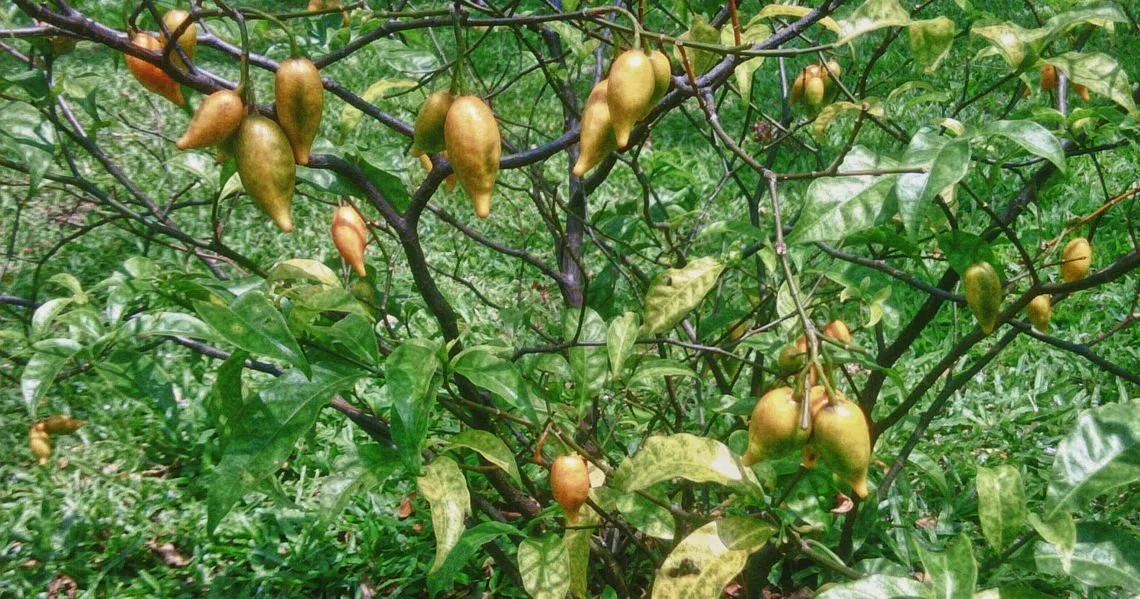
For generations, iboga has held an important place within the spiritual and cultural traditions of several Indigenous communities in Central Africa. Historical and anthropological research describes its role in ceremonial practices, oral traditions, and community rituals, where it has been regarded as a plant of considerable cultural importance. These longstanding traditions represent extensive ethnobotanical knowledge that has been preserved and transmitted across generations.
Modern researchers increasingly recognize the importance of respecting Indigenous knowledge alongside laboratory science. Anthropologists, ethnobotanists, and historians continue to document the cultural significance of iboga while emphasizing ethical collaboration, cultural preservation, and acknowledgment of the communities that have safeguarded this knowledge for centuries.
The Pharmacology of Ibogaine

Ibogaine is distinguished by its unusually broad pharmacological activity, interacting with several neurotransmitter systems rather than acting primarily through a single biological pathway. Scientists have identified interactions involving serotonin, dopamine, glutamate, opioid, and nicotinic receptor systems, making ibogaine one of the most pharmacologically complex naturally occurring psychoactive compounds studied to date. This complexity has encouraged extensive laboratory investigation aimed at understanding its mechanisms of action and broader neurological effects.
Researchers also study how ibogaine is metabolized within the body, including its conversion into noribogaine, an active metabolite with distinct pharmacological properties. These investigations provide valuable insights into medicinal chemistry, neuropharmacology, and the biological processes that influence neural communication, receptor function, and behavioral regulation.
Contemporary Scientific Research
Interest in ibogaine has expanded significantly within modern biomedical research, with scientists exploring its pharmacology through preclinical studies and carefully controlled clinical investigations. Research has examined its influence on neural plasticity, learning, memory, and other aspects of brain function, contributing to a broader understanding of how complex natural compounds interact with the nervous system. Although research continues to evolve, ibogaine remains an active area of scientific inquiry because of its distinctive biological characteristics.
Current investigations also emphasize rigorous methodology, peer review, and interdisciplinary collaboration. Neuroscientists, pharmacologists, chemists, and ethnobotanists work together to build a more comprehensive understanding of iboga and its alkaloids, ensuring that new discoveries are evaluated within established scientific and ethical frameworks.
Safety and Responsible Scientific Investigation
Scientific literature consistently emphasizes that ibogaine possesses significant physiological activity and requires careful medical evaluation in research settings. Clinical investigations typically involve extensive participant screening, continuous monitoring, ethical oversight, and standardized research protocols designed to protect participant safety while generating reliable scientific data. These safeguards are essential because ibogaine has known cardiovascular and neurological risks that require appropriate medical supervision in research contexts.
Researchers also stress the importance of distinguishing evidence supported by peer reviewed studies from anecdotal claims. Responsible scientific communication encourages readers to rely on high quality research, recognize the limitations of current evidence, and understand that further investigation remains necessary to clarify many aspects of ibogaine pharmacology.
Legal Context
The legal status of iboga and ibogaine varies widely across the world. Some jurisdictions permit scientific investigation under regulated conditions, while others restrict or prohibit possession and use under national legislation. Regulatory frameworks continue to evolve as scientific research progresses, making it important for readers to consult official government sources for current legal information relevant to their country or region.
Why Iboga Continues to Be Scientifically Significant
Iboga and ibogaine represent a unique convergence of ethnobotany, neuroscience, pharmacology, anthropology, and conservation science. Their rich cultural heritage, complex chemistry, and growing body of peer reviewed research continue to expand scientific understanding of natural products and their interaction with the human nervous system. As multidisciplinary research advances, iboga remains one of the most distinctive and scientifically valuable plants within the broader field of psychedelic science.

Buy Rainbow Gummies
Buy Rainbow Gummies Rainbow Gummies by Diamond Shruumz offer nootropic,...
Read More
Buy Fryd chocolate bars 1000mg
Buy Fryd chocolate bars 1000mg Fryd chocolate bars are the...
Read More
Buy Golden Teacher Mushrooms
Buy Golden Teacher Mushrooms Golden Teacher Mushrooms are prized for...
Read MoreNatural vs Synthetic Psychedelics
Natural vs Synthetic Psychedelics Discover how nature and laboratory science...
Read MorePsychedelic Mushroom Species
Psychedelic Mushroom Species Discover the remarkable diversity of psychedelic fungi...
Read MorePsychedelic Safety Guide
Psychedelic Safety Guide Understand the principles that guide responsible scientific...
Read More
Mescaline And Cacti
Mescaline & Cacti Discover the remarkable history, botanical diversity, and...
Read More
Essential Scientific Terms in Psychedelic Research
A Complete Glossary for Understanding Psychedelic Science Every scientific discipline...
Read More
The Role of Clinical Research
How Clinical Research Generates Reliable Scientific Evidence Clinical research is...
Read More
Natural Psychoactive Plants Around the World
Exploring the Extraordinary Diversity of Nature’s Botanical Kingdom The plant...
Read More
The Evolution of Psilocybin Research
From Early Scientific Observation to Modern Interdisciplinary Research The scientific...
Read More