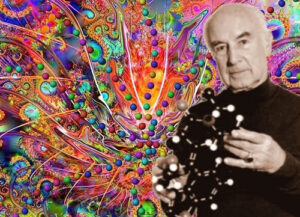
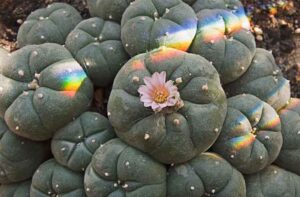
One of the most common misconceptions in psychedelic science is that natural compounds and synthetic compounds belong to completely separate scientific worlds. In reality, both have contributed enormously to modern neuroscience, medicinal chemistry, pharmacology, and our understanding of the human brain. The primary distinction lies not in whether one category is inherently superior to the other, but in how each compound originates, how it is produced, and the scientific questions it helps researchers answer. Natural psychedelics originate from living organisms such as fungi, plants, and cacti, while synthetic psychedelics are created through carefully controlled chemical synthesis. Together, these two groups provide complementary perspectives that continue to shape contemporary biomedical research.
Scientists approach both categories with the same objective: understanding how chemical compounds interact with biological systems. Whether a molecule is isolated from a mushroom growing in a temperate forest or synthesized inside a modern research laboratory, its value ultimately depends on careful scientific investigation, reproducible evidence, and a clear understanding of its pharmacological properties. This balanced perspective has become a defining principle of modern psychedelic research.
Nature’s Chemical Innovation
Long before the development of modern chemistry, living organisms had already evolved extraordinarily sophisticated biochemical pathways capable of producing complex molecules. Through millions of years of evolution, fungi, flowering plants, and other organisms developed specialized compounds that serve ecological functions ranging from defense against predators to communication with surrounding organisms. Many naturally occurring psychedelic compounds belong to this broader family of secondary metabolites, demonstrating the remarkable capacity of nature to generate chemically diverse molecules with highly specific biological activity.
For researchers, these natural compounds represent far more than historical curiosities. They provide valuable insight into evolutionary biology, ecology, natural product chemistry, and biosynthesis. By studying how organisms naturally produce these molecules, scientists gain a deeper understanding of genetic regulation, enzymatic pathways, and the intricate relationship between biodiversity and molecular innovation. These discoveries continue to influence fields extending well beyond psychedelic science, including biotechnology, pharmaceutical development, and conservation biology.
The Precision of Synthetic Chemistry
Synthetic psychedelics reflect a different chapter in scientific progress. Rather than relying on biological organisms to produce molecules, chemists construct compounds through carefully designed laboratory processes that allow precise control over molecular structure and purity. This capability enables researchers to investigate how even subtle modifications influence receptor interactions, metabolism, duration of activity, and other pharmacological characteristics. Such precision has made synthetic chemistry one of the most powerful tools in modern biomedical research.
Beyond creating entirely new compounds, laboratory synthesis allows scientists to test hypotheses that would be impossible to explore through natural products alone. Closely related molecules can be compared systematically, helping researchers establish structure activity relationships that reveal why certain molecular features influence biological behavior. These investigations have become fundamental to medicinal chemistry, receptor pharmacology, and the broader search for new therapeutic approaches across multiple areas of medicine.
Similar Questions, Different Scientific Pathways
Although natural and synthetic psychedelics differ in origin, they often contribute to the same scientific questions. Researchers examine how both categories interact with neurotransmitter systems, influence neural communication, and affect receptor signaling throughout the central nervous system. Modern neuroscience is less concerned with where a molecule originates than with understanding the biological mechanisms through which it operates. This approach allows scientists to compare compounds objectively while developing increasingly sophisticated models of brain function.
Comparative research has demonstrated that molecules with entirely different origins may influence similar biological pathways, while compounds sharing comparable chemical structures can produce markedly different pharmacological profiles. These findings illustrate why contemporary psychedelic science emphasizes evidence based investigation rather than broad generalizations. Every compound must be evaluated according to its individual chemistry, biological activity, and scientific evidence.
From Rainforests to Research Laboratories
The history of psychedelic science reflects a continuous exchange between natural discovery and laboratory innovation. Indigenous knowledge helped introduce many naturally occurring psychoactive organisms to scientific attention, while advances in analytical chemistry allowed researchers to isolate, identify, and characterize their active constituents. Those discoveries, in turn, inspired generations of chemists to investigate related molecular structures, expanding scientific understanding through carefully designed laboratory research. Rather than representing separate traditions, natural products and synthetic chemistry have evolved together, each informing the development of the other.
This relationship continues today through interdisciplinary collaboration involving botanists, mycologists, chemists, neuroscientists, pharmacologists, and molecular biologists. By integrating expertise from these diverse fields, researchers develop a more complete understanding of how natural evolution and human innovation together contribute to scientific discovery.
Looking Beyond the Source
Perhaps the most important lesson emerging from modern research is that the origin of a molecule tells only part of its story. Scientific value is determined through rigorous experimentation, peer review, reproducibility, and careful interpretation of evidence rather than by whether a compound originates in nature or a laboratory. This principle encourages objective investigation while avoiding assumptions based solely on a compound’s source.
As neuroscience, biotechnology, and medicinal chemistry continue to advance, the distinction between natural and synthetic compounds will remain scientifically important, but increasingly as a question of origin rather than quality. Together, both categories continue to deepen our understanding of biology, chemistry, and the extraordinary complexity of the human brain. Their combined contribution illustrates how nature’s evolutionary ingenuity and human scientific innovation can complement one another, advancing knowledge through curiosity, precision, and evidence based research.