Buy Amazonian Magic Mushrooms Embark on a journey of wonder...
Read MoreSalvia divinorum is a rare perennial plant belonging to the mint family (Lamiaceae) and is native to the cloud forests of Oaxaca, Mexico. Unlike many well known psychedelic compounds that belong to the tryptamine or phenethylamine families, Salvia divinorum contains salvinorin A, a naturally occurring diterpene that possesses a completely different chemical structure and mechanism of action. This distinction has made the plant an exceptional subject of scientific investigation, offering researchers valuable opportunities to study alternative pathways involved in human perception, cognition, and consciousness.
The remarkable chemistry of Salvia divinorum has attracted increasing interest from neuroscientists, pharmacologists, botanists, and ethnobotanists. Researchers continue to investigate how its unique biological properties contribute to the understanding of receptor signaling, neural communication, and brain function while also preserving knowledge of its historical and cultural origins. Its uncommon pharmacology distinguishes it from nearly every other naturally occurring psychoactive plant currently studied within psychedelic science.
Botanical Characteristics and Natural Habitat
-isolated-on-the-white-background.jpg?v=1722504555)
Salvia divinorum thrives within the cool, humid cloud forests of southern Mexico, where stable environmental conditions support its growth throughout the year. The plant is recognized by its broad green leaves, hollow square stems, delicate white flowers, and preference for shaded habitats with abundant moisture. Unlike many flowering plants, it is believed to reproduce primarily through vegetative propagation, a characteristic that has intrigued botanists studying its evolutionary history and limited natural distribution.
Scientists continue to investigate the ecological requirements, genetic diversity, and conservation status of Salvia divinorum to better understand its biology and environmental adaptations. These studies contribute to broader knowledge of tropical ecosystems while emphasizing the importance of preserving native habitats that support rare medicinal and ethnobotanical plant species.
Traditional History and Cultural Significance
For generations, Salvia divinorum has been associated with the Mazatec people of Oaxaca, who have carefully preserved traditional knowledge surrounding the plant and its cultural significance. Ethnobotanical research documents its role within ceremonial and spiritual practices, reflecting a longstanding relationship between local communities and the surrounding natural environment. These traditions represent an important component of Indigenous cultural heritage and continue to receive careful attention from historians and anthropologists.
Modern researchers emphasize that understanding Salvia divinorum requires appreciation of both its scientific properties and its cultural context. By combining ethnographic research with advances in pharmacology and botany, scholars continue to develop a more complete understanding of the plant while encouraging respect for the communities that have safeguarded this knowledge across generations.
The Science of Salvinorin A
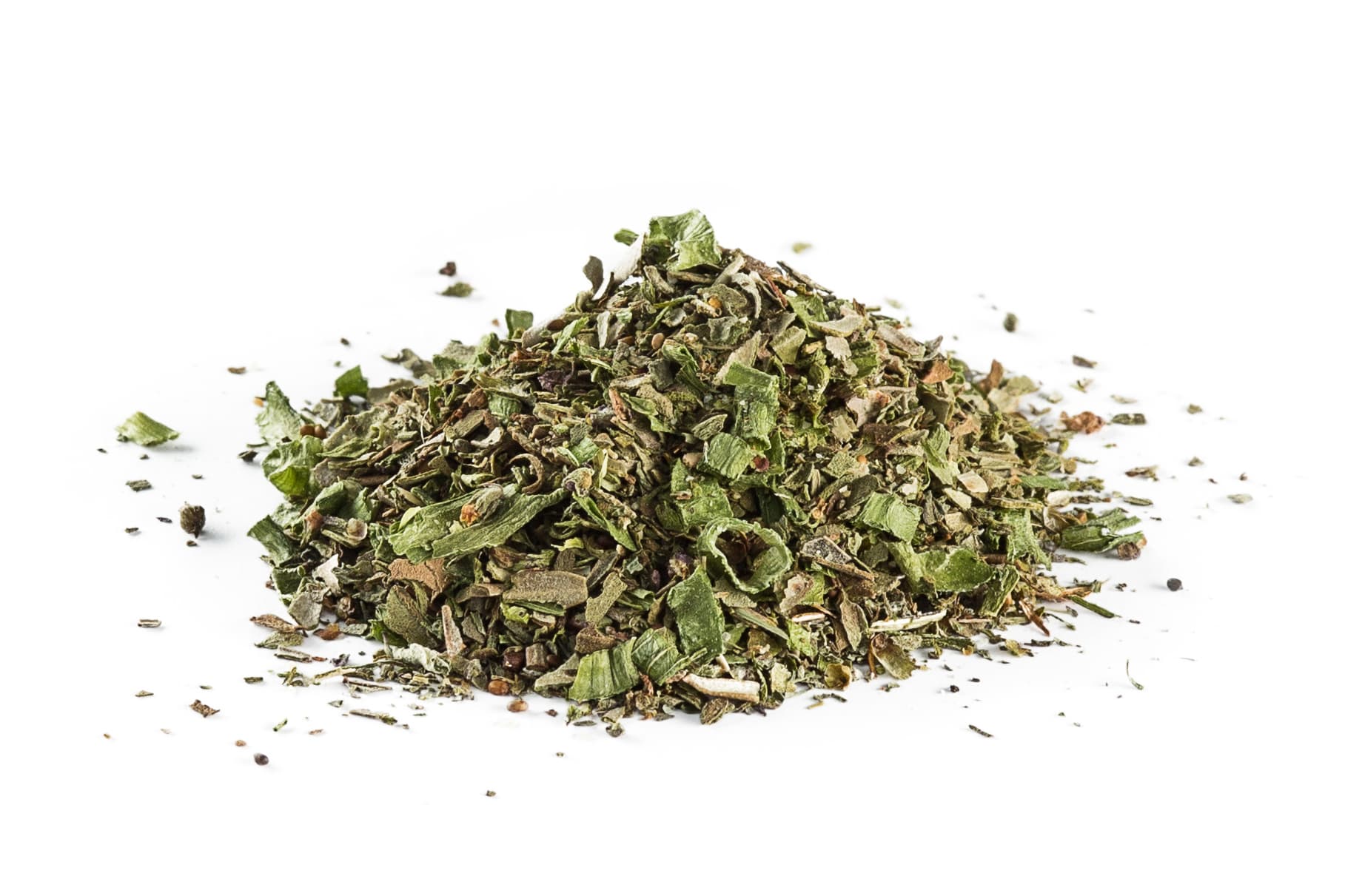
Salvinorin A is recognized as one of the most unusual naturally occurring psychoactive compounds identified by modern science. Unlike classic psychedelics that primarily influence serotonin receptors, salvinorin A acts predominantly on the kappa opioid receptor, making it pharmacologically distinct from compounds such as psilocybin, LSD, mescaline, and DMT. This unique receptor activity has provided researchers with valuable opportunities to investigate neural signaling pathways that had previously received relatively little attention within psychedelic research.
Advances in molecular pharmacology and neuroimaging have enabled scientists to examine how salvinorin A influences communication between different regions of the brain. These investigations continue to improve understanding of receptor biology, neural circuitry, and the diverse mechanisms through which naturally occurring compounds can influence perception and conscious experience.
Modern Scientific Research
Interest in Salvia divinorum has grown steadily within neuroscience because of its distinctive chemistry and receptor activity. Universities and research institutions continue to investigate salvinorin A to better understand brain function, neurotransmission, receptor pharmacology, and the biological foundations of consciousness. Its unusual pharmacological profile has also contributed to broader discussions concerning the diversity of naturally occurring psychoactive compounds found within the plant kingdom.
Current research extends beyond neuroscience to include medicinal chemistry, botany, phytochemistry, and ethnopharmacology. By integrating findings from multiple scientific disciplines, researchers continue to develop a comprehensive understanding of Salvia divinorum, its active constituents, and its significance within both traditional knowledge and modern biomedical science.
Safety and Responsible Scientific Investigation
Research involving Salvia divinorum is conducted under rigorous ethical and scientific standards designed to ensure participant safety and produce reliable data. Clinical and laboratory investigations typically involve careful protocol development, institutional oversight, informed consent, and comprehensive monitoring throughout each stage of the research process. These measures allow scientists to evaluate pharmacological effects within controlled and well documented environments.
Researchers also emphasize the importance of distinguishing scientifically supported findings from anecdotal reports. Responsible scientific communication encourages readers to rely on peer reviewed evidence while recognizing that knowledge continues to evolve through ongoing investigation, replication, and independent verification.
Legal Context
The legal status of Salvia divinorum differs considerably between countries and jurisdictions. Some regions regulate the plant or its active compounds through national legislation, while others permit scientific study under specific regulatory frameworks. Because legal requirements continue to change over time, readers should consult official government resources for the most accurate and current information applicable to their location.
Why Salvia Divinorum Remains Scientifically Important
Salvia divinorum occupies a unique position within modern neuroscience because its chemistry and pharmacology differ fundamentally from those of classic psychedelics. Its botanical rarity, rich cultural history, and distinctive interaction with the nervous system continue to provide researchers with valuable opportunities to expand scientific understanding of brain function, receptor biology, and the remarkable diversity of naturally occurring bioactive compounds. As research progresses, Salvia divinorum remains one of the most scientifically distinctive plants in contemporary psychedelic science.

Fryd Magic Mushroom Chocolate Bars
Fryd Magic Mushroom Chocolate Bars Introducing Fryd Magic Mushroom Chocolate...
Read More
INfinite Rx Shroom Infused Heart Gummies Edibles (1000mg)
INfinite Rx Shroom Infused Heart Gummies Edibles (1000mg) Buy INfinite...
Read More
Buy Black Magic Chocolate
Buy Black Magic Chocolate Indulge in the irresistible allure of Black...
Read More
Research Psychedelics
Research Psychedelics Discover how emerging psychedelic compounds are advancing neuroscience,...
Read MoreUnderstanding Microdosing
Understanding Microdosing Explore the scientific questions, historical origins, and emerging...
Read MorePsychedelic Mushroom Species
Psychedelic Mushroom Species Discover the remarkable diversity of psychedelic fungi...
Read MoreThe Future of Psychedelic Research
The Future of Psychedelic Research Discover how innovation and scientific...
Read More
Understanding LSD and Lysergamides
A Scientific Introduction to the Lysergamide Family Lysergamides are a...
Read More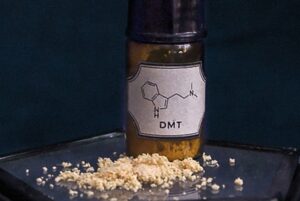
Understanding DMT
Understanding One of Nature’s Most Intriguing Organic Compounds N,N-Dimethyltryptamine (DMT)...
Read More
How Psychedelics Are Scientifically Classified
Understanding the Scientific Systems Used to Classify Psychedelics Scientific classification...
Read More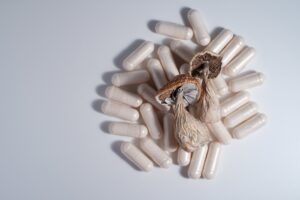
Research Ethics in Modern Science
The Ethical Principles That Guide Responsible Scientific Research Scientific progress...
Read More