
Understanding the Botanical Science of Mescaline Producing Cacti
Among the world’s most remarkable botanical species are a small number of cacti that naturally synthesize mescaline, a naturally occurring phenethylamine that has attracted the attention of botanists, chemists, ecologists, and neuroscientists for more than a century. These plants belong primarily to the cactus family, Cactaceae, a highly specialized group that has evolved to survive some of the planet’s most demanding environments. Their extraordinary biological adaptations, slow growth patterns, distinctive morphology, and complex chemical composition make them valuable subjects of scientific investigation far beyond the field of psychedelic research.
Modern botanical science examines these cacti as living examples of evolutionary adaptation and ecological resilience. Researchers study their anatomy, physiology, genetics, natural habitats, reproductive biology, and biochemical pathways to better understand how they thrive in arid landscapes while producing a diverse range of naturally occurring compounds. Through interdisciplinary research combining botany, ecology, chemistry, and molecular biology, scientists continue to expand knowledge of these unique desert plants and the ecosystems they inhabit.
The Botanical Diversity of Mescaline Producing Cacti
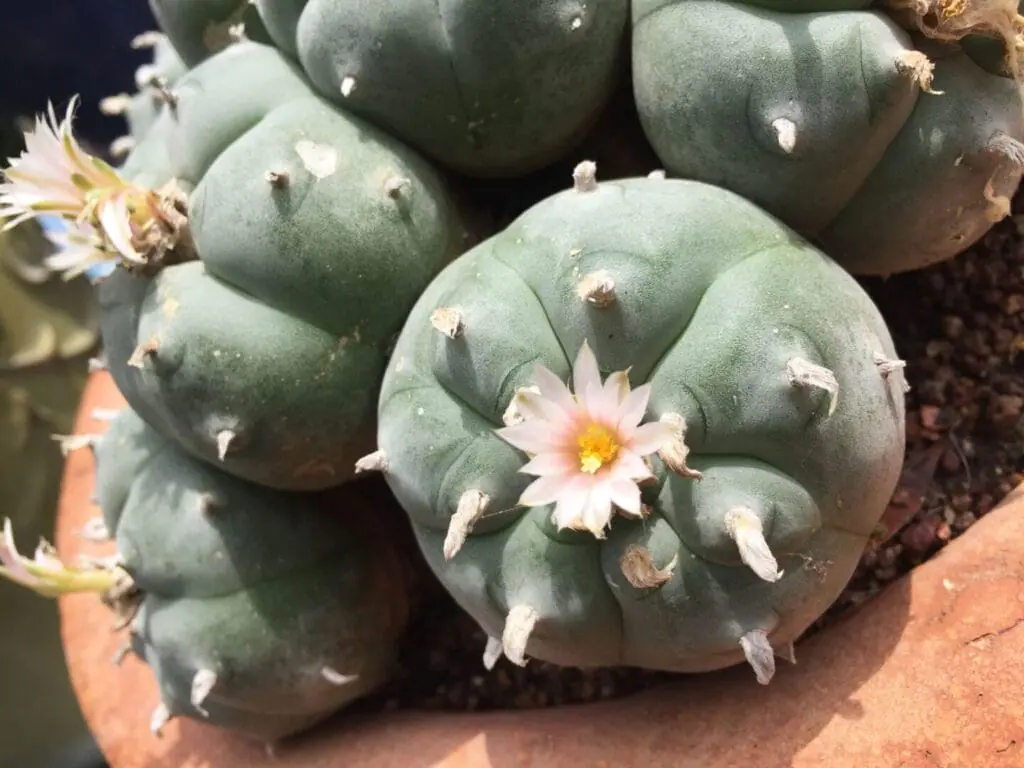
Several cactus species are known to naturally contain mescaline, each belonging to distinct evolutionary lineages within the cactus family. Among the most widely studied are Lophophora williamsii, commonly known as peyote, Echinopsis pachanoi, often referred to as the San Pedro cactus, Echinopsis peruviana, known as the Peruvian torch cactus, and Echinopsis lageniformis, frequently called the Bolivian torch cactus. Although these species share certain chemical characteristics, they differ considerably in appearance, geographic distribution, growth habits, ecological adaptations, and evolutionary history.
Botanists classify these plants according to their morphology, reproductive structures, genetic relationships, and ecological characteristics. Advances in molecular phylogenetics have refined scientific classification by revealing evolutionary connections that were not fully understood through traditional botanical observation alone. These discoveries continue to improve understanding of cactus evolution while illustrating the remarkable diversity contained within a single plant family.
Adaptation to Harsh Environments
Mescaline producing cacti are highly specialized plants adapted to survive under conditions where many other species cannot persist. Native to arid and semi arid regions of North and South America, they have evolved numerous structural and physiological adaptations that enable them to conserve water, tolerate extreme temperatures, and survive prolonged periods of drought. Thick succulent tissues store moisture, protective spines reduce water loss and provide defense, while shallow but extensive root systems efficiently capture rainfall from infrequent desert storms.
One of their most significant adaptations is Crassulacean Acid Metabolism, commonly abbreviated as CAM photosynthesis. Unlike most plants, which open their stomata during daylight hours, CAM plants primarily exchange gases at night when temperatures are lower and evaporation is reduced. This highly efficient strategy minimizes water loss while allowing photosynthesis to continue under challenging environmental conditions. Scientists regard this adaptation as one of the key evolutionary innovations that has allowed cacti to flourish across some of the driest landscapes on Earth.
Chemistry Within Living Plants
The production of mescaline is the result of highly regulated biochemical processes that occur within the plant’s cells. Through specialized metabolic pathways, enzymes convert naturally occurring amino acids into increasingly complex organic molecules, ultimately producing mescaline alongside numerous other naturally occurring alkaloids. These biosynthetic processes are controlled by genetic, environmental, and physiological factors that continue to be investigated through modern plant biochemistry and molecular biology.
Researchers study these pathways not only to understand the chemistry of mescaline itself but also to gain broader insight into how plants synthesize secondary metabolites. These naturally occurring compounds often play important ecological roles, including defense against herbivores, protection from environmental stress, and interactions with surrounding organisms. The remarkable chemical diversity found within cacti highlights the sophisticated biological capabilities that plants have developed through millions of years of evolution.
Ecological Importance and Conservation
Beyond their scientific significance, mescaline producing cacti contribute meaningfully to the ecosystems in which they naturally occur. Their flowers provide important resources for pollinating insects, birds, and other wildlife, while their fruits support seed dispersal by numerous animal species. These ecological interactions strengthen biodiversity and demonstrate the interconnected relationships that sustain desert ecosystems.
Because many cactus species grow slowly and occupy specialized habitats, conservation has become an increasingly important focus of botanical research. Habitat loss, environmental change, and unsustainable collection pressures present challenges for certain native populations. Botanists, conservation biologists, and environmental organizations continue working to document natural populations, protect fragile ecosystems, and improve scientific understanding of these remarkable plants so they can be preserved for future generations.
Continuing Scientific Exploration
The study of mescaline producing cacti extends far beyond a single area of research. Botanists investigate their evolution, ecologists examine their role within desert ecosystems, chemists analyze their complex molecular composition, geneticists explore evolutionary relationships, and environmental scientists study how these species respond to changing climates. Each discipline contributes valuable knowledge that strengthens our understanding of one of the most fascinating groups of plants within the natural world.
As scientific technologies continue to advance, future research will provide increasingly detailed insight into the genetics, physiology, ecology, and evolutionary biology of these extraordinary cacti. Their study illustrates how a single group of plants can contribute to numerous scientific disciplines while deepening appreciation for the remarkable diversity, adaptability, and complexity of life on Earth.