
Exploring Psychedelic Science, Natural Medicines & Emerging Research

Discover information covering mushrooms, plant medicines, dissociatives, empathogens, lysergamides, and emerging areas of scientific investigation.

A Trusted Educational Resource

Psychedelic research has expanded significantly over the past decade, attracting interest from scientists, clinicians, policymakers, and educators worldwide. Our platform brings together educational resources covering naturally occurring compounds, laboratory research, historical context, current regulations, and ongoing clinical studies. Every article is designed to help readers better understand this evolving field through factual, well-organized information.

Most Demanded Clinic Services

Our Inventory

Explore Products covering a wide range of psychedelic compounds, plant medicines, and research.

Our Products

Browse highlighting compound classifications, historical context, and current scientific understanding.

Product Request

Looking for a specific Product, compound or research topic? Send us your inquiry and our team will assist.

Understanding the Science

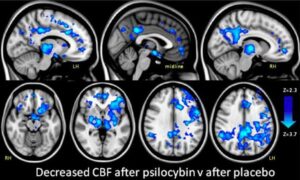
Psychedelic compounds interact with the brain through different biological pathways, influencing perception, cognition, mood, and consciousness. Researchers continue to investigate their mechanisms, therapeutic potential, safety considerations, and cultural significance. Our articles present this information in a balanced way while reflecting the current state of scientific knowledge.

Explore Psychedelic Science Through Trusted Knowledge

Scientific Research

Natural Compounds

Clinical Research

Safety & Awareness

Historical Perspectives
Featured Products

Current Research & Clinical Studies

Universities, hospitals, and research organizations around the world continue to study psychedelic compounds for their potential roles in mental health treatment, neuroscience, addiction research, and palliative care. While many investigations remain experimental and regulatory frameworks differ by jurisdiction, scientific understanding continues to evolve through carefully controlled clinical research.

Featured Blog Posts

Frequently Asked questions

Psychedelics are naturally occurring or laboratory-developed compounds that can temporarily alter perception, mood, cognition, and sensory experiences by interacting with specific receptors in the brain.

Research suggests that many psychedelics influence serotonin receptors, altering patterns of communication within the brain. Scientists continue to study how these changes affect perception, emotion, and cognition.

Natural psychedelics are derived from plants, fungi, or other biological sources, while synthetic psychedelics are produced through chemical synthesis. Both have distinct chemical structures and research histories.

Yes. Researchers around the world are investigating several psychedelic compounds in regulated clinical settings to better understand their potential therapeutic applications, safety, and mechanisms of action.

The legal status of psychedelic compounds varies widely by country, state, and local jurisdiction. Regulations continue to evolve, making it important to verify the laws that apply in your area.

Although they are sometimes grouped together, these compounds affect the brain in different ways. Psychedelics primarily alter perception, dissociatives affect sensory processing and awareness, while empathogens are known for influencing emotional openness and social connection.

Continue Exploring Psychedelic Science

Browse our growing collection of educational articles covering psychedelic history, neuroscience, clinical research, ethnobotany, safety considerations, and developments in this rapidly evolving field.