From Early Scientific Observation to Modern Interdisciplinary Research
The scientific study of psilocybin has undergone a remarkable transformation over the past century. What began as botanical observation and taxonomic classification gradually evolved into one of the most interdisciplinary areas of contemporary scientific research, bringing together mycology, chemistry, pharmacology, neuroscience, psychology, molecular biology, and clinical science. Today, researchers investigate psilocybin through highly sophisticated scientific methods that extend from molecular analysis and receptor biology to advanced brain imaging and computational neuroscience. The evolution of this research reflects not only advances in technology but also the broader development of scientific methodology itself.
Modern psilocybin research is built upon decades of careful observation, laboratory investigation, and international collaboration. Rather than focusing on a single scientific question, contemporary researchers examine how botanical diversity, natural product chemistry, neural communication, genetics, and cognitive science intersect to improve understanding of one of nature’s most extensively studied fungal compounds. This multidisciplinary approach continues to expand scientific knowledge while demonstrating how research evolves through continuous refinement, technological innovation, and evidence based investigation.
Early Botanical and Mycological Foundations
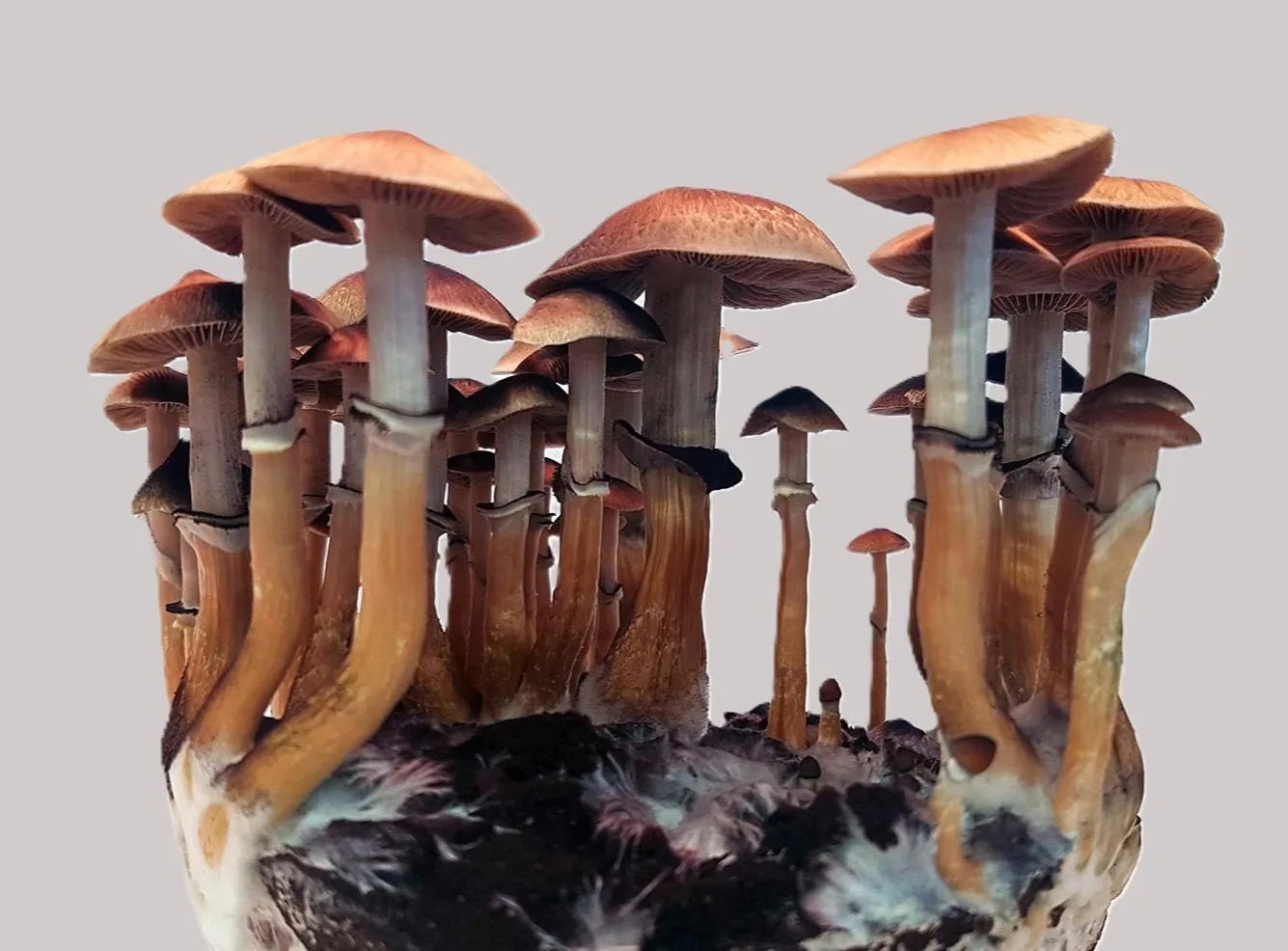
Long before psilocybin itself was chemically identified, scientists were documenting the remarkable diversity of mushroom species found throughout forests, grasslands, and tropical ecosystems around the world. During the nineteenth and early twentieth centuries, botanists and mycologists devoted considerable effort to classifying fungi according to their morphology, reproductive biology, ecological relationships, and geographical distribution. These early investigations established the taxonomic foundations upon which later biochemical and molecular research would be built.
Field expeditions conducted across North America, South America, Europe, Asia, Africa, and Oceania significantly expanded scientific understanding of fungal biodiversity. Researchers carefully preserved specimens, compared anatomical characteristics, documented ecological habitats, and developed increasingly accurate classification systems that continue to guide modern mycology. These foundational studies demonstrated that understanding fungal biology required far more than observing visible mushrooms, leading scientists to investigate underground mycelial networks, life cycles, genetics, and ecosystem interactions.
The Isolation and Identification of Psilocybin
A major turning point in scientific research occurred during the mid twentieth century when advances in organic chemistry and analytical science enabled researchers to isolate and identify psilocybin as a naturally occurring compound. Improvements in chromatography, spectroscopy, crystallography, and molecular analysis provided scientists with the tools necessary to investigate fungal chemistry with unprecedented accuracy. These technological breakthroughs transformed psilocybin from a botanical observation into a precisely characterized molecule that could be examined through modern scientific methods.
The identification of psilocybin also marked the beginning of increasingly collaborative research between chemists, pharmacologists, and neuroscientists. By understanding the compound’s molecular structure, scientists were able to investigate its biosynthesis within fungi, its chemical properties, and its interactions with biological systems. This period established many of the analytical techniques and laboratory standards that continue to support contemporary natural product chemistry.
Expanding Into Neuroscience and Molecular Biology
As neuroscience developed during the latter half of the twentieth century, psilocybin research expanded beyond chemistry into the study of neural communication and receptor biology. Advances in molecular biology, neuropharmacology, and cellular signaling enabled researchers to investigate how naturally occurring compounds interact with complex biological systems. Rather than studying isolated molecules alone, scientists increasingly examined the intricate relationships between molecular structure, receptor function, intracellular signaling, and large scale brain networks.
The development of sophisticated neuroimaging technologies further accelerated this progress. Functional Magnetic Resonance Imaging, Positron Emission Tomography, Electroencephalography, and Magnetoencephalography provided opportunities to observe neural activity in living brains with remarkable precision. Combined with computational neuroscience and advanced statistical analysis, these technologies continue contributing to a deeper understanding of brain organization, neural connectivity, and cognitive function.
The Era of Global Scientific Collaboration
One of the defining characteristics of modern psilocybin research is the extraordinary level of international collaboration. Universities, research institutes, hospitals, botanical gardens, analytical laboratories, and interdisciplinary scientific organizations now work together across multiple continents, sharing expertise, methodologies, imaging technologies, and research findings. This collaborative environment has significantly improved scientific transparency, reproducibility, and the overall quality of published research.
Modern investigations also integrate expertise from an expanding range of disciplines including medicinal chemistry, computational biology, genetics, structural biology, artificial intelligence, ecology, and bioinformatics. By combining these complementary fields, researchers can address increasingly complex scientific questions while generating more comprehensive models of biological systems. This interdisciplinary approach has become one of the greatest strengths of contemporary psychedelic science.
The Future of Psilocybin Research
The evolution of psilocybin research continues to reflect the broader progress of modern science. Emerging technologies such as whole genome sequencing, metabolomics, machine learning, artificial intelligence, high resolution molecular imaging, and computational modeling are enabling scientists to investigate fungal biology and neuroscience with unprecedented detail. These innovations promise to deepen understanding of natural product chemistry, evolutionary biology, receptor science, and the remarkable complexity of the human nervous system.
As scientific knowledge continues to expand, psilocybin research will remain an important area of interdisciplinary investigation connecting mycology, chemistry, neuroscience, molecular biology, ecology, and computational science. Its history illustrates how careful observation, technological innovation, and international collaboration can transform a single area of study into a globally recognized field of scientific inquiry, contributing valuable knowledge that extends far beyond any individual discipline.