
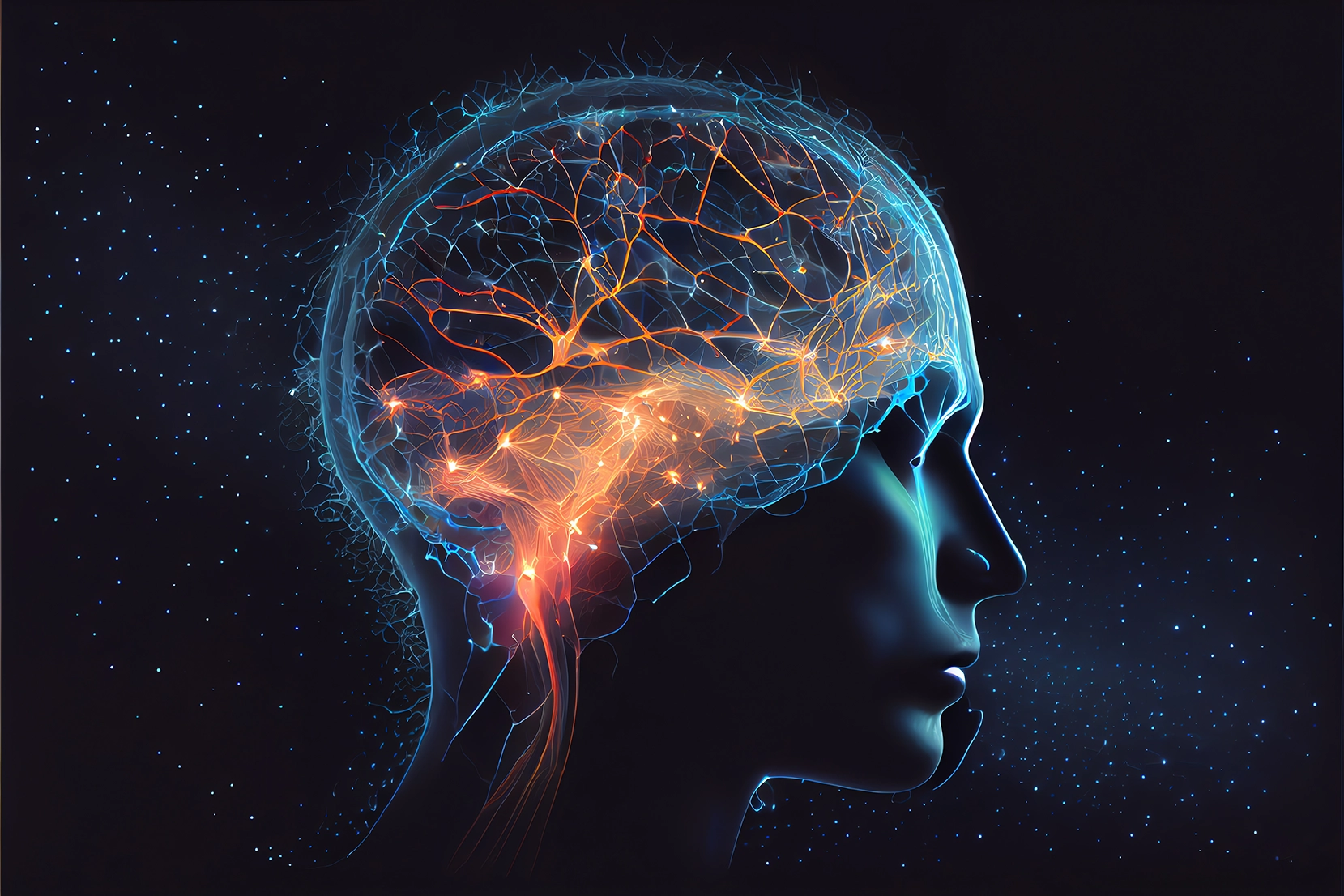
How the Brain Continuously Learns and Adapts
One of the most remarkable discoveries in modern neuroscience is that the human brain is not a fixed or unchanging organ. For many years, scientists believed that the brain’s structure became largely permanent after early development. Contemporary research has fundamentally changed that understanding by demonstrating that the brain possesses an extraordinary ability to reorganize, strengthen existing connections, create new neural pathways, and adapt continuously throughout life. This dynamic capacity, known as neuroplasticity, has become one of the central concepts in neuroscience because it explains how the nervous system responds to learning, experience, environmental change, and biological development.
Neuroplasticity represents one of the primary mechanisms through which the brain maintains its remarkable flexibility. Every new experience, skill, memory, conversation, or piece of knowledge has the potential to influence patterns of neural communication. Rather than functioning as a rigid network, the brain continually modifies its connections in response to internal biological processes and external environmental influences. This ability to adapt has profound implications for understanding cognition, perception, learning, memory formation, and the long term organization of neural networks.
Building and Refining Neural Connections
The brain contains billions of neurons that communicate through an immense network of synaptic connections. These connections are not static. Instead, they are continuously strengthened, weakened, reorganized, or replaced as information flows through the nervous system. This process allows the brain to become increasingly efficient at processing familiar tasks while simultaneously developing new pathways capable of supporting future learning and adaptation.
Scientists often describe this process as experience dependent plasticity because neural networks evolve according to the information they repeatedly process. Learning a new language, mastering a musical instrument, acquiring professional expertise, or adapting to unfamiliar environments all involve gradual modifications within these interconnected neural circuits. Modern neuroscience continues to investigate the cellular and molecular mechanisms responsible for these changes, providing valuable insight into how the brain maintains both stability and flexibility throughout an individual’s lifetime.
The Cellular Science Behind Adaptation
Neuroplasticity begins at the microscopic level where neurons communicate through highly specialized junctions called synapses. Every electrical signal passing between neurons activates intricate biochemical processes involving neurotransmitters, receptor proteins, enzymes, and intracellular signaling pathways. These molecular events regulate how synapses function, influence the strength of neural communication, and determine whether new connections are formed or existing pathways are modified.
Advances in molecular biology have revealed that neuroplasticity extends far beyond electrical activity alone. Gene expression, protein synthesis, cellular metabolism, and structural remodeling all contribute to the brain’s capacity for adaptation. Researchers continue exploring how these biological mechanisms interact to support long term changes in neural organization, making neuroplasticity one of the most actively investigated subjects in contemporary neuroscience.
Mapping Neuroplasticity Through Modern Technology
The study of neuroplasticity has advanced dramatically because of improvements in scientific technology. Functional magnetic resonance imaging, diffusion tensor imaging, electroencephalography, magnetoencephalography, and high resolution microscopy enable researchers to observe structural and functional changes within the brain with unprecedented accuracy. These technologies allow scientists to investigate how neural networks evolve over time while comparing patterns of communication across different regions of the nervous system.
Computational neuroscience has further expanded these capabilities by applying advanced mathematical models and artificial intelligence to the analysis of complex neurological data. Machine learning algorithms can identify subtle changes in neural connectivity that may not be immediately visible through traditional analytical methods. These innovations continue transforming neuroscience into an increasingly quantitative discipline capable of exploring the remarkable adaptability of the human brain at multiple levels of biological organization.
Neuroplasticity Across the Lifespan
One of the most important discoveries in brain research is that neuroplasticity does not end during childhood. Although the developing brain demonstrates particularly high levels of adaptability, scientific evidence shows that neural remodeling continues throughout adulthood and into later life. This lifelong capacity for adaptation supports continuous learning, memory formation, skill acquisition, and cognitive flexibility while enabling the nervous system to respond to changing environments and new experiences.
Researchers also recognize that neuroplasticity is influenced by numerous biological and environmental factors, including genetics, age, physical health, sleep, nutrition, education, and social interaction. Understanding how these variables contribute to neural adaptation remains an important objective within neuroscience because it provides broader insight into the biological principles that govern learning and brain development across the human lifespan.
The Future of Neuroplasticity Research
As neuroscience continues to evolve, neuroplasticity remains one of the most promising areas of scientific investigation. Researchers are integrating molecular genetics, computational biology, neuroimaging, systems neuroscience, and artificial intelligence to construct increasingly sophisticated models of how neural networks develop, reorganize, and maintain functional stability. These multidisciplinary investigations continue revealing new relationships between cellular biology, neural communication, cognition, and conscious experience.
Every discovery reinforces the understanding that the brain is not simply an organ that stores information but a living biological system capable of remarkable adaptation throughout life. By continuing to investigate the mechanisms that support neuroplasticity, scientists are expanding our knowledge of how the nervous system learns, evolves, and responds to an ever changing world, bringing neuroscience closer to understanding one of the most extraordinary capabilities of the human brain.