Understanding One of Nature’s Most Intriguing Organic Compounds
N,N-Dimethyltryptamine (DMT) is a naturally occurring organic molecule that has become an important subject of study across neuroscience, chemistry, botany, pharmacology, molecular biology, and natural product science. Classified as a tryptamine, DMT belongs to a family of compounds biosynthesized from the amino acid tryptophan through complex enzymatic pathways found in living organisms. Scientists investigate DMT because it provides valuable insight into plant metabolism, fungal biology, molecular evolution, receptor pharmacology, and the remarkable chemical diversity that exists throughout nature. Rather than being confined to a single discipline, DMT research bridges numerous scientific fields, making it one of the most interdisciplinary areas within contemporary biological science.
Modern research approaches DMT through evidence based investigation rather than isolated observation. Chemists study its molecular architecture, botanists examine the plant species in which it naturally occurs, molecular biologists investigate its biosynthetic pathways, neuroscientists explore receptor biology, while computational scientists develop increasingly sophisticated models that describe molecular interactions. Together, these complementary disciplines continue expanding scientific understanding of one of the most extensively investigated naturally occurring tryptamines.
The Chemistry Behind DMT
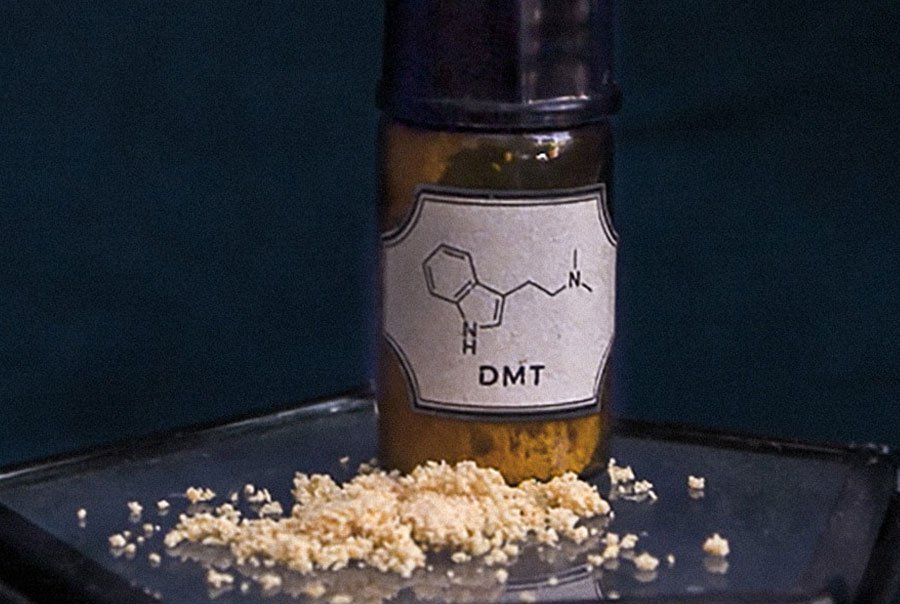
From a chemical perspective, DMT belongs to the indole alkylamine group within the broader tryptamine family. Its molecular framework is derived from the amino acid tryptophan and consists of carbon, hydrogen, nitrogen, and other elements arranged in a highly organized structure that determines its chemical identity. Organic chemists classify DMT according to this molecular architecture because structural classification provides a standardized system for comparing related compounds throughout medicinal chemistry and natural product research.
The biosynthesis of DMT occurs through carefully regulated enzymatic reactions that convert naturally occurring biological precursors into increasingly complex molecules. Molecular biologists continue investigating the genes, enzymes, and metabolic pathways involved in this process, revealing how living organisms produce chemically sophisticated compounds through millions of years of evolutionary adaptation. These investigations contribute not only to psychedelic science but also to broader understanding of plant biochemistry, molecular genetics, and evolutionary biology.
Natural Sources of DMT
One of the defining characteristics of DMT is its occurrence in a diverse range of living organisms. Numerous plant species distributed across tropical forests, savannas, grasslands, and other ecosystems have been scientifically documented to produce DMT through natural metabolic processes. Researchers have identified DMT within members of botanical families including Fabaceae, Rubiaceae, Myrtaceae, and several others, demonstrating that the ability to synthesize this molecule has evolved independently across multiple evolutionary lineages.
Beyond the plant kingdom, scientific investigations have also documented DMT in certain fungal species and have identified naturally occurring trace amounts in some animal organisms. These discoveries continue stimulating research into comparative biology, evolutionary chemistry, and ecological adaptation. Scientists remain interested in understanding why such chemically complex molecules evolved across different branches of life and what biological roles they may serve within diverse ecological systems.
How Scientists Study DMT
The study of DMT depends upon advanced laboratory technologies capable of analyzing molecules with exceptional sensitivity and accuracy. Analytical chemists use techniques including High Performance Liquid Chromatography, Gas Chromatography Mass Spectrometry, Liquid Chromatography Mass Spectrometry, Nuclear Magnetic Resonance spectroscopy, and Infrared Spectroscopy to identify, quantify, and characterize DMT within biological samples. These methods allow researchers to examine molecular composition, confirm structural identity, and investigate biosynthetic pathways with remarkable precision.
Advances in molecular biology have further strengthened DMT research through genomic sequencing, transcriptomics, metabolomics, and computational modeling. Scientists can now investigate the genetic regulation of biosynthesis while comparing metabolic pathways across numerous plant species. These technologies continue revealing the extraordinary complexity of natural product chemistry while expanding scientific understanding of how organisms generate biologically active molecules through evolutionary processes.
DMT in Modern Neuroscience
Neuroscience has become one of the principal disciplines investigating DMT because of its importance in understanding receptor biology, neural communication, and molecular signaling. Researchers employ advanced imaging technologies including Functional Magnetic Resonance Imaging, Positron Emission Tomography, Electroencephalography, and computational neuroscience to examine biological systems with increasing precision. Rather than studying isolated molecules alone, contemporary neuroscience investigates how chemical signaling integrates with neural networks, cellular communication, and broader biological organization.
Artificial intelligence and computational biology are also contributing significantly to this field. Machine learning algorithms assist researchers in analyzing large datasets, predicting molecular interactions, and developing increasingly accurate models of receptor biology. These technological innovations continue accelerating scientific discovery while strengthening interdisciplinary collaboration across chemistry, biology, pharmacology, and neuroscience.
Why DMT Remains an Important Scientific Subject
DMT occupies a unique position within modern science because it connects multiple branches of knowledge into a unified area of investigation. Its study contributes to botany, natural product chemistry, molecular biology, pharmacology, ecology, genetics, neuroscience, evolutionary biology, and computational science. Few naturally occurring compounds provide such a broad platform for interdisciplinary research while simultaneously expanding understanding of biological diversity, molecular evolution, and chemical complexity.
As scientific technologies continue advancing, researchers are expected to uncover new insights into the biosynthesis, genetics, ecological significance, and molecular biology of DMT. Every discovery contributes to a deeper appreciation of the remarkable sophistication of living systems and reinforces the importance of interdisciplinary research in expanding our understanding of chemistry, biology, and the extraordinary diversity of the natural world.