A Botanical Species That Continues to Fascinate Scientific Research
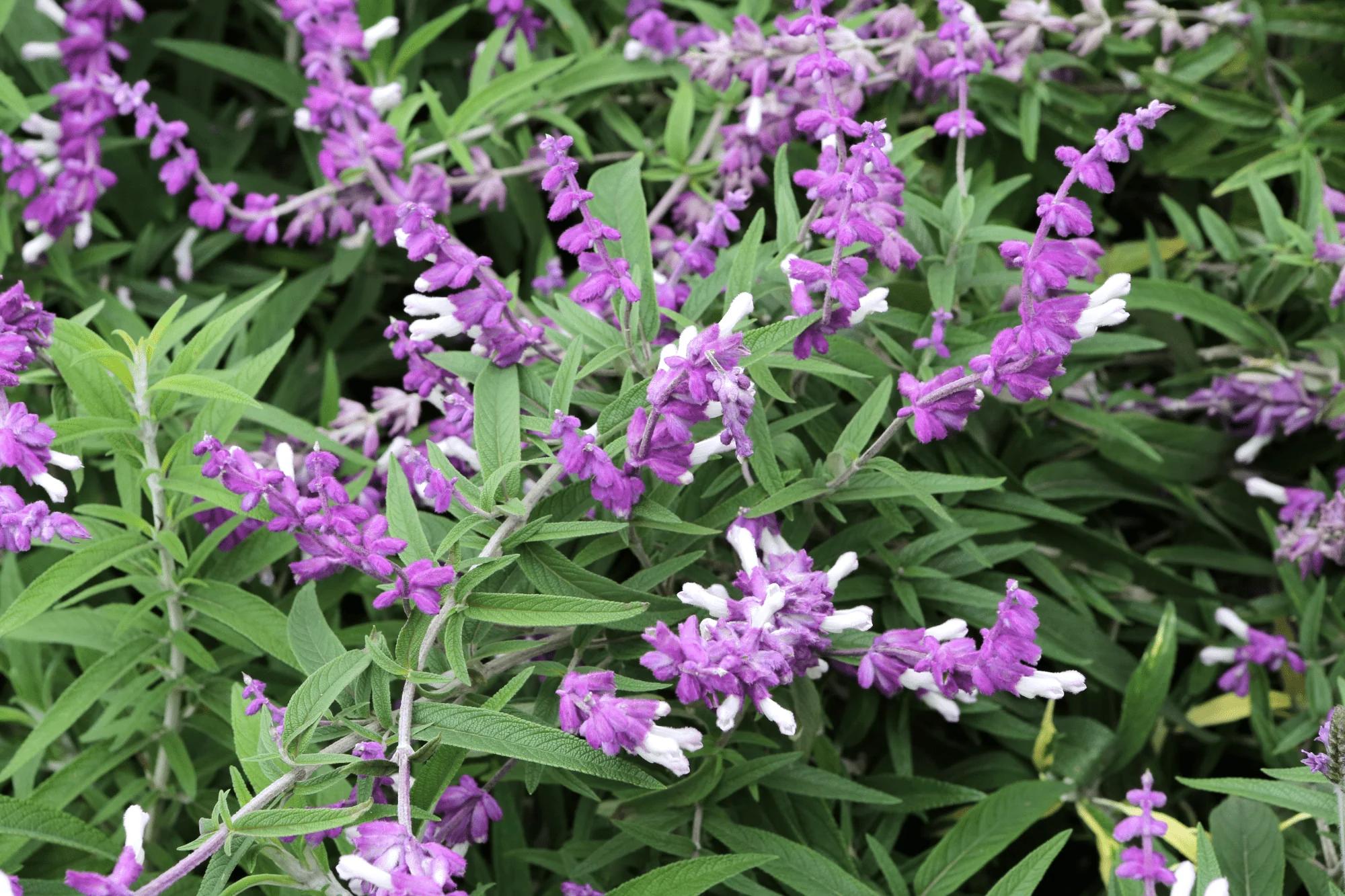
Among the thousands of plant species studied by botanists and natural product scientists, Salvia divinorum occupies a distinctive position because of its unusual biology, remarkable chemistry, and specialized ecological adaptations. Native to the cloud forests of Oaxaca in southern Mexico, this perennial member of the mint family, Lamiaceae, has become an important subject within botany, phytochemistry, ethnobotany, and molecular biology. While its naturally occurring compounds have attracted considerable scientific attention, researchers increasingly recognize that the plant itself offers valuable opportunities to study plant evolution, biodiversity, ecological adaptation, and the extraordinary capacity of living organisms to produce structurally unique natural molecules.
Modern scientific investigation extends far beyond the study of individual compounds. Researchers examine the anatomy, reproductive biology, genetics, ecological interactions, and biochemical pathways of Salvia divinorum to understand how environmental conditions, evolutionary pressures, and molecular processes have shaped one of the most distinctive species within the genus Salvia. These investigations contribute not only to psychedelic science but also to broader fields including botany, conservation biology, plant physiology, and natural product chemistry.
Botanical Classification and Evolution
Salvia divinorum belongs to the genus Salvia, one of the largest genera of flowering plants, comprising nearly one thousand recognized species distributed across diverse climates throughout the world. Most members of the genus are valued for their ecological importance, ornamental characteristics, or traditional uses, while Salvia divinorum stands apart because of its distinctive phytochemical composition and highly specialized biological characteristics. Its position within the mint family provides researchers with valuable opportunities to compare evolutionary relationships among closely related species while investigating the genetic mechanisms that contribute to chemical diversity.
Advances in molecular phylogenetics have significantly improved scientific understanding of the plant’s evolutionary history. By comparing DNA sequences across multiple Salvia species, researchers continue refining botanical classification while identifying genetic relationships that illustrate how evolutionary adaptation has shaped the remarkable diversity observed throughout the genus.
Life Within the Cloud Forest
Unlike many drought tolerant members of the mint family, Salvia divinorum thrives within cool, humid cloud forests characterized by dense vegetation, filtered sunlight, abundant rainfall, and consistently moist soils. These unique environmental conditions create highly specialized ecosystems that support an extraordinary diversity of plant and animal life. Scientists study these habitats because they represent some of the world’s most biologically rich yet environmentally sensitive ecosystems.
The ecological success of Salvia divinorum depends upon its ability to adapt to this stable but complex environment. Soil composition, humidity, microbial communities, seasonal rainfall, and surrounding vegetation all influence its growth and development. Environmental biologists continue investigating these ecological interactions to better understand how specialized plant species respond to changing climatic conditions and habitat variation while maintaining long term survival within tropical ecosystems.
Natural Chemistry and Plant Biology
One of the defining characteristics of Salvia divinorum is its production of highly specialized natural compounds through sophisticated biochemical pathways. Unlike many other plant derived molecules that belong to alkaloid families, the principal naturally occurring compounds associated with Salvia divinorum belong to an entirely different chemical class known as diterpenes. This distinction has attracted significant scientific interest because it illustrates the remarkable diversity of biochemical strategies that plants have evolved over millions of years.
Plant biochemists investigate these metabolic pathways to understand how enzymes, genes, and cellular processes coordinate the production of structurally complex natural molecules. Advances in metabolomics, analytical chemistry, molecular biology, and structural biology continue revealing increasingly detailed information about plant metabolism while expanding scientific knowledge of the extraordinary chemical diversity present throughout the botanical world.
Ethnobotany and Scientific Collaboration
Ethnobotany provides valuable historical context for understanding the relationship between Salvia divinorum and the communities that have long inhabited the mountainous regions where the plant naturally occurs. Researchers examine traditional ecological knowledge alongside botanical science to better understand plant identification, habitat distribution, seasonal growth patterns, and broader interactions between people and biodiversity. Contemporary ethnobotanical research emphasizes respectful collaboration while recognizing the importance of preserving both biological diversity and cultural knowledge.
This interdisciplinary approach allows scientists to integrate historical observation with modern analytical methods. Botanists, ecologists, chemists, anthropologists, and molecular biologists each contribute specialized expertise that strengthens scientific understanding while promoting responsible research practices grounded in both ecological and cultural awareness.
The Future of Botanical Discovery
The continuing study of Salvia divinorum demonstrates how a single plant species can contribute to numerous branches of modern science. Improvements in genomic sequencing, metabolomics, artificial intelligence, computational biology, and environmental monitoring are enabling researchers to investigate plant evolution, physiology, and ecological adaptation with extraordinary precision. These technologies continue revealing new information about plant diversity while improving understanding of the biological mechanisms that support life within complex ecosystems.
As botanical science advances, Salvia divinorum will remain an important subject of interdisciplinary research linking ecology, chemistry, molecular biology, conservation science, and ethnobotany. Its study illustrates the remarkable capacity of plants to adapt, evolve, and contribute to scientific knowledge while reinforcing the importance of protecting the diverse ecosystems that continue to inspire discovery across the natural sciences.