Psilocybin is a naturally occurring psychoactive compound found in numerous mushroom species, primarily within the Psilocybe genus. Recognized as one of the best studied naturally occurring psychedelics, psilocybin has attracted sustained scientific attention because of its unique chemistry, interaction with the human brain, and historical significance across multiple cultures. Advances in neuroscience, pharmacology, and molecular biology have transformed psilocybin into an important subject of contemporary biomedical research, helping scientists better understand consciousness, perception, and neural communication.
Interest in psilocybin extends beyond a single scientific discipline. Mycologists investigate the fungi that naturally produce the compound, chemists examine its molecular structure, pharmacologists study its biological activity, neuroscientists explore its effects on brain networks, and anthropologists document its historical relationship with human societies. This multidisciplinary perspective has made psilocybin one of the most influential natural compounds in modern scientific literature.
The Natural Origins of Psilocybin
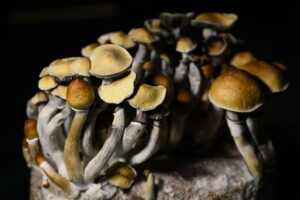
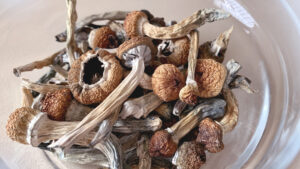
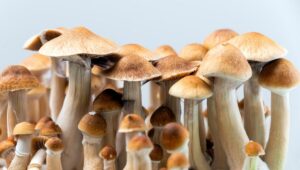
Psilocybin is produced naturally by more than 200 known mushroom species distributed across diverse ecosystems throughout the world. These fungi grow in forests, grasslands, subtropical environments, and temperate regions, adapting to a wide variety of ecological conditions. Although the greatest concentration of research has focused on species within the Psilocybe genus, scientists have also identified psilocybin in several related genera, demonstrating the remarkable diversity of fungi capable of synthesizing this compound.
From an evolutionary perspective, researchers continue to investigate why certain mushrooms produce psilocybin and how the compound may contribute to ecological survival. Current hypotheses suggest it may influence interactions between fungi and their surrounding environment, although many aspects of its ecological function remain an active area of scientific investigation. These questions continue to inspire research within evolutionary biology, fungal ecology, and natural product chemistry.
The Chemistry of Psilocybin
Chemically, psilocybin belongs to the tryptamine family, a group of compounds structurally related to the naturally occurring neurotransmitter serotonin. Its molecular architecture enables researchers to examine how subtle differences in chemical structure influence receptor activity and neural signaling. This relationship has made psilocybin an important reference compound within medicinal chemistry and receptor pharmacology, contributing to broader understanding of how naturally occurring molecules interact with biological systems.
Once absorbed, psilocybin is converted by the body into psilocin, the compound primarily responsible for its biological activity. Scientists have studied this metabolic process extensively because it provides valuable insight into absorption, distribution, metabolism, and elimination. These investigations continue to improve understanding of the pharmacokinetic properties that distinguish psilocybin from other naturally occurring psychedelic compounds.
How Psilocybin Interacts With the Brain
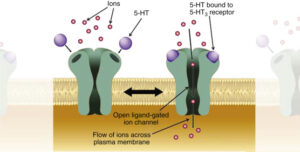
Modern neuroscience has demonstrated that psilocin interacts primarily with serotonin receptors, particularly the 5-HT2A receptor, which plays an important role in perception, learning, cognition, emotional processing, and sensory integration. Activation of these receptors influences communication between multiple functional brain networks, allowing researchers to examine how information is processed throughout the central nervous system. This receptor activity has become one of the defining characteristics of classic serotonergic psychedelics.
Using advanced imaging technologies such as functional magnetic resonance imaging and magnetoencephalography, scientists have observed temporary changes in brain connectivity during controlled research. These studies contribute to broader understanding of neural plasticity, network organization, and the biological mechanisms that underlie conscious awareness. Although research continues to evolve, psilocybin remains one of the most valuable compounds for investigating the complexity of human brain function.
Historical Discovery and Cultural Importance
Human interaction with psilocybin containing mushrooms extends back centuries, with archaeological evidence and historical records indicating their significance in several Indigenous cultures, particularly within Central and South America. These communities developed sophisticated knowledge of local fungal species and incorporated them into ceremonial, spiritual, and cultural traditions. Their understanding represents an important chapter in the history of ethnobotany and continues to inform modern academic research.
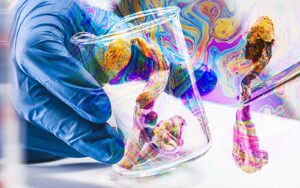
Scientific investigation accelerated during the twentieth century when researchers isolated and identified psilocybin and psilocin, making it possible to study these compounds under laboratory conditions. Since then, universities and research institutions have expanded knowledge of their chemistry, pharmacology, and neurobiology through carefully designed experimental studies. This progression from traditional knowledge to modern biomedical research illustrates the evolving relationship between cultural history and scientific discovery.
Psilocybin in Contemporary Research
Psilocybin has become one of the most actively investigated naturally occurring compounds in contemporary neuroscience. Researchers employ molecular biology, medicinal chemistry, computational neuroscience, neuroimaging, and clinical research methods to examine how it influences brain function and cognitive processes. These interdisciplinary investigations continue to generate valuable data concerning receptor biology, neural communication, and the organization of complex brain networks.
The expansion of psychedelic science has encouraged collaboration among experts from numerous disciplines, including psychiatry, psychology, chemistry, pharmacology, and computational biology. Through rigorous methodology, peer review, and international cooperation, researchers continue refining scientific understanding while identifying new questions that guide future investigation. This collaborative approach has established psilocybin as a cornerstone of modern psychedelic research.
Safety and Scientific Responsibility
Scientific investigations involving psilocybin are conducted within carefully regulated research environments that prioritize participant safety, ethical oversight, and methodological consistency. Clinical studies involve extensive screening procedures, informed consent, continuous monitoring, and independent ethical review before research begins. These standards ensure that scientific findings are reliable while protecting the welfare of research participants throughout every stage of investigation.
Researchers also emphasize the importance of distinguishing evidence supported by peer reviewed science from anecdotal claims. Responsible scientific communication requires transparency regarding both established findings and areas where further investigation remains necessary. Maintaining this balanced perspective strengthens public understanding while supporting continued advances in neuroscience and pharmacology.
Looking Ahead
Psilocybin continues to occupy a central position within modern scientific research because it bridges multiple disciplines, including mycology, neuroscience, medicinal chemistry, pharmacology, anthropology, and psychology. Its natural origins, distinctive chemistry, and well documented interaction with the human nervous system have made it one of the most informative compounds for studying the biology of consciousness and cognition. As research technologies continue to advance, psilocybin is expected to remain an important focus of interdisciplinary investigation, contributing to a deeper understanding of both the natural world and the remarkable complexity of the human brain.