
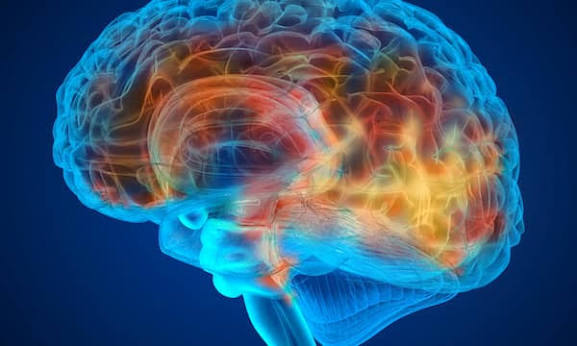
Understanding Communication Within the Human Nervous System
The human nervous system is an extraordinary biological network responsible for receiving information, processing sensory experiences, coordinating movement, regulating internal functions, and supporting every aspect of cognition and consciousness. It consists of the central nervous system, which includes the brain and spinal cord, and the peripheral nervous system, a vast communication network that connects the brain with every organ and tissue throughout the body. Together, these systems operate continuously, transmitting billions of electrical and chemical signals every second to maintain balance, respond to environmental changes, and support the countless processes required for human life. Understanding how this intricate communication network functions has become one of the defining goals of modern neuroscience.
Psychedelic research has become an important area of investigation because it provides scientists with valuable opportunities to examine how neural communication occurs under carefully controlled experimental conditions. Rather than focusing solely on individual compounds, researchers study how these molecules interact with biological systems that regulate perception, attention, learning, memory, emotional processing, and conscious awareness. Through advances in molecular biology, neuropharmacology, and computational neuroscience, scientists continue to expand their understanding of the nervous system by investigating the complex interactions that occur between chemical messengers, specialized receptors, and interconnected neural networks.
The Language of Neurons
Every sensation, memory, thought, and movement depends upon communication between specialized cells known as neurons. These cells form one of the most sophisticated communication systems in nature, transmitting electrical impulses along their length before releasing chemical messengers that carry information across microscopic gaps called synapses. The human brain contains approximately eighty six billion neurons, each capable of forming thousands of individual connections, creating an extraordinarily complex network that supports perception, reasoning, language, memory, and behavior.
Communication between neurons depends upon precise coordination. Electrical signals travel rapidly through neural pathways, while neurotransmitters transmit information from one neuron to the next by binding to highly specialized receptor proteins. This continuous exchange allows the nervous system to process sensory information, regulate internal physiology, coordinate muscular activity, and adapt to changing environments. Modern neuroscience increasingly recognizes that cognition emerges from the coordinated activity of these interconnected neural circuits rather than from isolated regions acting independently.
Neurotransmitters and Receptor Biology
Neurotransmitters serve as the primary chemical messengers of the nervous system. Molecules such as serotonin, dopamine, glutamate, gamma aminobutyric acid, acetylcholine, and norepinephrine each perform highly specialized functions within neural communication. Their activity is regulated through receptors located on the surface of neurons, where highly selective molecular interactions influence how information is transmitted throughout the brain. These receptor systems represent one of the most intensively studied areas of neuroscience because they help explain how complex biological signals influence perception, cognition, emotion, and learning.
Many classic psychedelic compounds are scientifically investigated because of their interaction with serotonin receptor systems, particularly the five HT2A receptor. Researchers continue examining how receptor activation influences large scale neural communication, cellular signaling pathways, and functional connectivity across distributed brain networks. Although much remains to be understood, receptor biology has become one of the central foundations upon which contemporary psychedelic neuroscience is built.
Networks Rather Than Individual Brain Regions
One of the most significant advances in neuroscience has been the recognition that the brain functions through integrated networks rather than isolated anatomical regions. Earlier scientific models often attempted to assign individual cognitive functions to specific locations within the brain. Contemporary research has revealed a far more dynamic picture in which multiple regions communicate continuously to produce perception, memory, language, attention, decision making, and emotional regulation.
Using sophisticated neuroimaging technologies, researchers investigate how communication patterns change across these functional networks during carefully controlled scientific studies. Functional magnetic resonance imaging, electroencephalography, magnetoencephalography, and positron emission tomography have transformed neuroscience by allowing scientists to observe patterns of neural activity with remarkable precision. These technologies continue to deepen understanding of how the nervous system coordinates information across billions of interconnected neurons while contributing to broader models of cognition and consciousness.
Communication at the Molecular Level
The nervous system operates through countless molecular interactions occurring every moment within individual cells. Following receptor activation, complex intracellular signaling pathways regulate gene expression, protein synthesis, cellular metabolism, and synaptic communication. Molecular biology has revealed that neural communication extends far beyond simple electrical transmission, involving highly coordinated biochemical processes that influence how neurons adapt, respond, and maintain functional stability throughout life.
Researchers continue investigating these intracellular mechanisms using advanced molecular imaging, structural biology, genetics, and computational modeling. Every new discovery contributes to a deeper understanding of how molecular events influence neural communication across larger biological systems. These investigations have become increasingly important not only for psychedelic science but for neuroscience as a whole, helping explain how the nervous system achieves such extraordinary complexity.
Advancing Neuroscience Through Interdisciplinary Research
Understanding the nervous system requires collaboration across numerous scientific disciplines. Neuroscientists investigate functional brain networks, pharmacologists study receptor interactions, chemists analyze molecular structure, molecular biologists examine intracellular signaling, psychologists investigate cognition, and computational scientists interpret enormous volumes of neurological data generated by modern research technologies. Together, these disciplines provide complementary perspectives that enable scientists to investigate increasingly complex biological questions with greater precision than ever before.
As scientific methods continue to advance, research into neural communication is expected to benefit from artificial intelligence, machine learning, high resolution molecular imaging, genomics, and computational neuroscience. These innovations promise to improve understanding of how the nervous system processes information while revealing new insights into the biological foundations of perception, cognition, and conscious awareness. Through rigorous scientific investigation and international collaboration, researchers continue expanding humanity’s understanding of one of the most sophisticated biological systems ever discovered.