
Buy Microdose capsules Online Experience the subtle yet profound benefits...
Read MoreMescaline is a naturally occurring psychedelic alkaloid found in several cactus species native to North and South America. Unlike many other classic psychedelics that originate from fungi or synthetic chemistry, mescaline is produced by plants that have adapted to some of the world’s most challenging desert environments. For thousands of years, these cacti have attracted the attention of Indigenous communities, botanists, chemists, and researchers because of their distinctive biological properties and enduring cultural significance. Today, mescaline continues to be studied as an important compound within neuroscience, ethnobotany, and pharmacology, helping scientists better understand the relationship between natural products and human biology.
Modern research has expanded interest in mescaline by combining traditional botanical knowledge with advances in analytical chemistry and neuroscience. Researchers examine not only the compound itself but also the ecology of the cacti that produce it, the history of their cultural use, and the biological mechanisms that contribute to their unique pharmacological profile. This multidisciplinary approach has established mescaline as one of the foundational compounds in psychedelic science.
The Science Behind Mescaline
Mescaline belongs to the phenethylamine family of naturally occurring compounds and differs chemically from tryptamine based psychedelics such as psilocybin and DMT. Its molecular structure allows it to interact with serotonin receptors, particularly the 5-HT2A receptor, which plays an important role in sensory perception, cognition, and emotional processing. Scientists continue to investigate how these receptor interactions influence communication between different regions of the brain, providing valuable insights into the neural mechanisms associated with conscious experience.
Advances in neuroscience have enabled researchers to study mescaline using functional brain imaging, computational modeling, and modern pharmacological techniques. These investigations contribute to a broader understanding of how naturally occurring compounds influence brain function while also expanding knowledge of receptor biology, neurochemistry, and cognitive neuroscience. Although scientific understanding continues to evolve, mescaline remains one of the most historically significant compounds within psychedelic research.
History and Cultural Heritage
-guide-detail.jpg?v=1722502404)
The relationship between humans and mescaline containing cacti extends back thousands of years. Archaeological evidence suggests that several Indigenous cultures incorporated these plants into ceremonial, spiritual, and cultural traditions long before modern scientific investigation began. These practices formed part of complex systems of traditional knowledge that emphasized respect for nature, community, and cultural identity, making the cacti significant not only from a botanical perspective but also from an anthropological one.
During the nineteenth and twentieth centuries, scientists began documenting these plants in greater detail, leading to the isolation of mescaline and a growing understanding of its chemical composition. Since then, researchers from diverse disciplines have explored the historical, botanical, and pharmacological importance of mescaline while recognizing the value of preserving and respecting the Indigenous knowledge associated with these species.
Notable Mescaline Containing Cacti
Several cactus species are recognized for naturally producing mescaline, each possessing distinct botanical characteristics, geographical distribution, and ecological adaptations. Among the most widely studied are:
* Peyote (Lophophora williamsii)
* San Pedro (Echinopsis pachanoi)
* Peruvian Torch (Echinopsis peruviana)
* Bolivian Torch (Echinopsis lageniformis)
These species differ in growth patterns, habitat, morphology, and alkaloid composition, making them important subjects for botanical classification, conservation biology, and phytochemical research. Scientists continue to investigate how environmental conditions influence their growth and naturally occurring chemical profiles.
Contemporary Scientific Research
Interest in mescaline has grown alongside the broader revival of psychedelic science. Universities and research institutions are investigating its pharmacology, receptor activity, and influence on neural communication through carefully designed laboratory and clinical studies. Researchers are particularly interested in understanding how mescaline contributes to broader knowledge of perception, cognition, and the biological foundations of conscious awareness.
In addition to neuroscience, mescaline is studied within botany, ecology, medicinal chemistry, and ethnopharmacology. These complementary fields provide a more complete understanding of both the compound and the remarkable cactus species that produce it naturally. Together, they demonstrate how traditional botanical knowledge and modern scientific research can inform one another.
Conservation and Responsible Research
Several mescaline containing cactus species face ecological pressures resulting from habitat loss, slow natural growth, and increasing demand for wild populations. Conservation scientists emphasize the importance of protecting native ecosystems while encouraging sustainable research practices and respect for biodiversity. Preserving these species supports both ecological health and the cultural heritage associated with them.
Scientific investigations involving mescaline are conducted under rigorous ethical standards, including institutional oversight, participant screening, and standardized research protocols. These safeguards help ensure that research findings are reliable while protecting the welfare of participants and respecting applicable legal and ethical requirements.
Legal Context
The legal status of mescaline and mescaline containing cacti varies considerably between countries and jurisdictions. Some regions distinguish between naturally occurring cactus species and purified mescaline, while others regulate both under national legislation. Certain jurisdictions also recognize limited religious or scientific exemptions. Because regulations continue to evolve, readers should consult official government guidance for current legal information relevant to their location.
Why Mescaline Continues to Interest Scientists
Mescaline occupies a unique position within psychedelic science because it bridges the disciplines of botany, chemistry, anthropology, neuroscience, and conservation biology. Its long history of traditional use, naturally occurring origin, and well documented pharmacology continue to make it an important subject of scientific inquiry. As research advances, mescaline and the remarkable cacti that produce it remain valuable resources for expanding knowledge of the human brain, natural products, and the rich relationship between plants and culture.
Buy Chocolate from the universe Online
Buy Chocolate from the universe Online Experience the magic of...
Read More
Buy MDMA (Ecstasy/Molly) Online
Buy MDMA (Ecstasy/Molly) Online MDMA, commonly known as Ecstasy or...
Read More
Buy Ketamine liquid Online
Buy Ketamine liquid Online Our premium Ketamine liquid is specially...
Read More
Iboga And Ibogaine
Iboga & Ibogaine Discover the botanical origins, scientific importance, and...
Read More
PSYCHEDELICS
Psychedelics Explore the science, history, biology, chemistry, and cultural significance...
Read More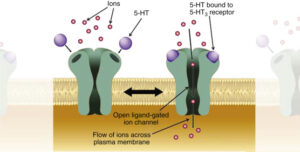
Serotonin Receptors Explained
Understanding the Brain’s Chemical Communication Network The human brain depends...
Read More
The Global History of Psychoactive Plants
A Botanical Journey Across Continents and Civilizations The history of...
Read More
Research Ethics in Modern Science
The Ethical Principles That Guide Responsible Scientific Research Scientific progress...
Read More
Cultural Perspectives on Psychedelics
Understanding How Different Cultures Have Interacted With Nature Across History...
Read More