Buy Psilocybe Cubensis Mushrooms Experience the transformative potential of Psilocybe...
Read MoreDimethyltryptamine, commonly known as DMT, is a naturally occurring psychedelic compound found in numerous plant species and in trace amounts within some animals. It belongs to the tryptamine family, a class of compounds that has become central to modern psychedelic research because of its unique pharmacological properties. Ayahuasca is a traditional botanical preparation originating in the Amazon Basin that combines DMT containing plants with vines rich in monoamine oxidase inhibitors, allowing DMT to become orally active. Together, DMT and ayahuasca represent an important intersection between ethnobotany, chemistry, anthropology, and neuroscience, offering valuable insights into both traditional knowledge and contemporary scientific investigation.
Interest in these substances has grown considerably over the past two decades as researchers have expanded efforts to understand consciousness, perception, and brain function. Universities and research institutions continue to investigate their pharmacology, psychological effects, and cultural significance while emphasizing rigorous scientific methodology and respect for Indigenous traditions that have preserved this knowledge across generations.
The Chemistry and Pharmacology of DMT
DMT is a simple tryptamine molecule whose chemical structure closely resembles serotonin, one of the brain’s primary neurotransmitters. This similarity enables DMT to interact with several serotonin receptors, particularly the 5-HT2A receptor, which plays an important role in perception, cognition, and sensory integration. Researchers continue to investigate how these receptor interactions influence neural communication, providing a deeper understanding of how the brain constructs conscious experience and processes complex sensory information.
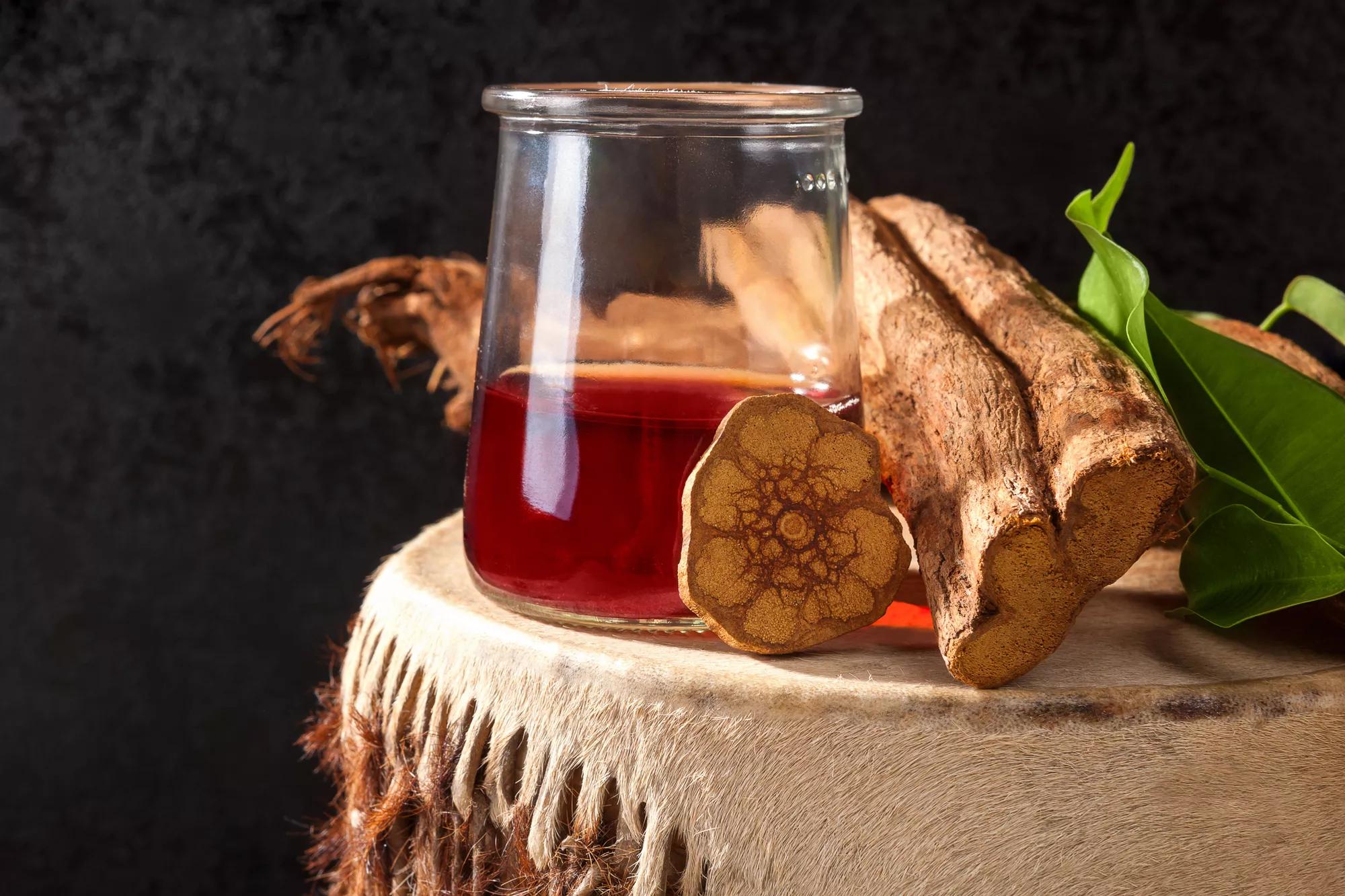
One of the defining characteristics of DMT is its rapid metabolism by the enzyme monoamine oxidase when taken orally. In traditional ayahuasca preparations, naturally occurring monoamine oxidase inhibitors found in the vine Banisteriopsis caapi temporarily reduce this metabolic process, allowing DMT from companion plants such as Psychotria viridis to become pharmacologically active. This remarkable botanical combination has attracted scientific interest because it demonstrates sophisticated traditional knowledge of plant chemistry developed over centuries.
Historical and Cultural Significance
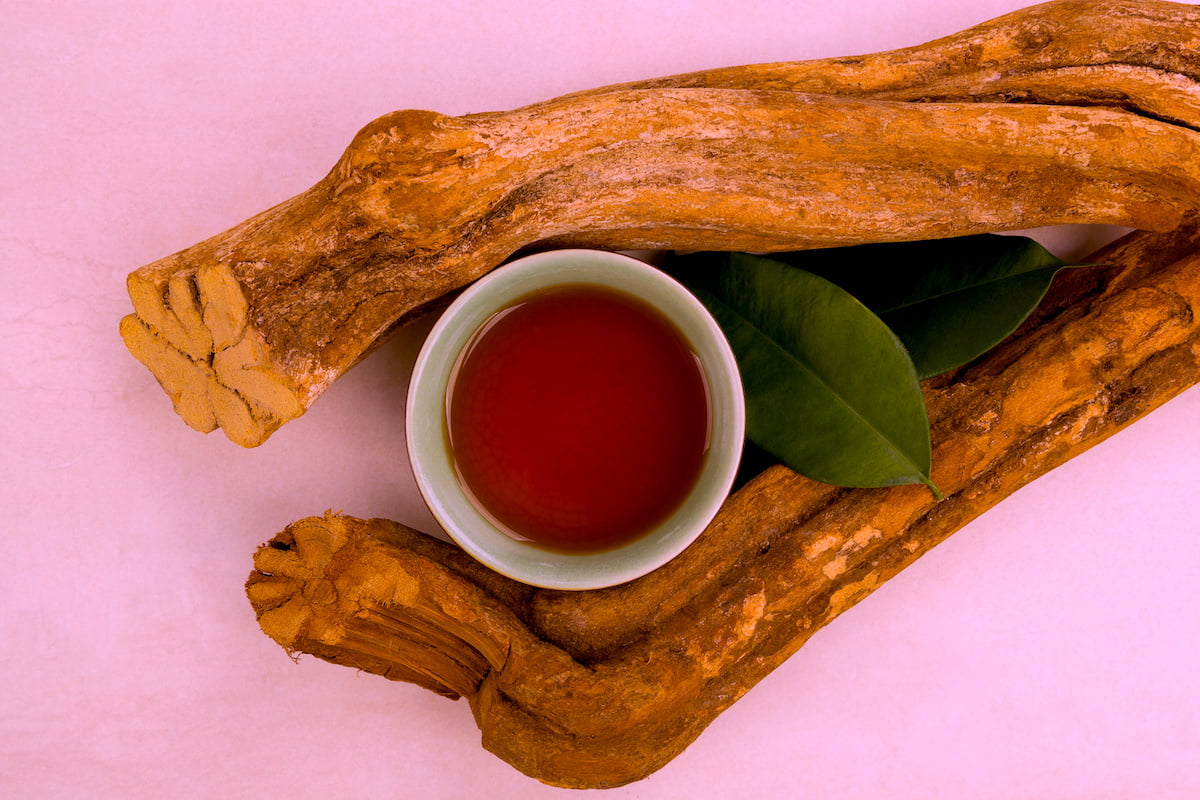
The history of ayahuasca is deeply rooted in the Indigenous cultures of the Amazon, where it has been incorporated into ceremonial, medicinal, and spiritual practices for generations. Traditional knowledge surrounding its preparation, ceremonial use, and cultural meaning has been carefully preserved by numerous Indigenous communities, reflecting an extensive understanding of local biodiversity and ethnobotanical relationships. Anthropologists regard these traditions as an important part of the cultural heritage of the Amazon and emphasize the need to approach them with respect and cultural sensitivity.
Modern scientific interest in DMT emerged during the twentieth century through advances in analytical chemistry and pharmacology. Since then, researchers have explored the biological activity of DMT alongside its historical context, recognizing that a comprehensive understanding requires both laboratory investigation and appreciation of the cultural frameworks in which these botanical preparations originated.
Botanical Sources of DMT
DMT has been identified in a wide variety of plant species distributed across different regions of the world. Among the best documented botanical sources are Psychotria viridis, Diplopterys cabrerana, Mimosa tenuiflora, and Acacia confusa. These plants differ in geographic distribution, chemical composition, and ecological characteristics, making them valuable subjects for botanical and phytochemical research.
Ayahuasca itself is traditionally prepared using Banisteriopsis caapi together with one or more DMT containing plants. Scientists continue to investigate the chemistry of these species, exploring the interactions between naturally occurring alkaloids and their broader significance within pharmacology, plant biology, and natural product chemistry.
Contemporary Scientific Research
Research involving DMT and ayahuasca has expanded significantly in recent years as advances in neuroscience and clinical methodology have enabled more sophisticated investigations. Scientists are examining how these compounds influence neural connectivity, perception, emotional processing, and cognitive flexibility through carefully designed laboratory and clinical studies. Functional brain imaging, electrophysiology, and computational neuroscience have become important tools for exploring the biological mechanisms that underlie altered states of consciousness.
In addition to neuroscience, researchers from anthropology, psychology, ethnobotany, and pharmacology continue to study DMT and ayahuasca from complementary perspectives. This multidisciplinary approach provides a more complete understanding of these substances by integrating biological science with cultural history, ecological knowledge, and human behavior.
Safety and Responsible Scientific Study
Scientific investigations involving DMT and ayahuasca are conducted under strict ethical standards designed to protect participant welfare and ensure reliable data collection. Clinical research typically includes comprehensive medical screening, informed consent, continuous supervision, and standardized protocols that allow investigators to evaluate outcomes in carefully controlled environments. These safeguards are fundamental to maintaining scientific integrity and participant safety.
Researchers also emphasize that botanical preparations vary considerably in chemical composition depending on plant species, environmental conditions, and preparation methods. For this reason, scientific findings are interpreted within the context of controlled research rather than generalized beyond the conditions in which studies are conducted.
Legal Context
The legal status of DMT and ayahuasca differs substantially across countries and jurisdictions. Some regions permit limited scientific research or specific ceremonial exemptions, while others regulate or prohibit these substances under national law. Because legal frameworks continue to evolve, readers should consult official government sources for current information relevant to their location.
Why DMT and Ayahuasca Remain Important to Science
DMT and ayahuasca occupy a distinctive place in modern scientific research because they connect multiple disciplines, including neuroscience, chemistry, ethnobotany, anthropology, and psychology. Their unique pharmacology, long history of traditional use, and growing body of peer reviewed research continue to expand scientific understanding of the human brain, consciousness, and the complex relationship between natural products and human biology. As research progresses, these compounds remain among the most significant subjects in the evolving field of psychedelic science.
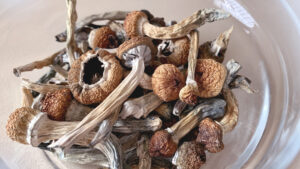
Buy Mexican Cubensis Online
Buy Mexican Cubensis Online Buy Magic Mushrooms United Kingdom or...
Read More
Magic Kingdom Gummies Wholesale
Magic Kingdom Gummies Wholesale Welcome to the world of Magic...
Read More
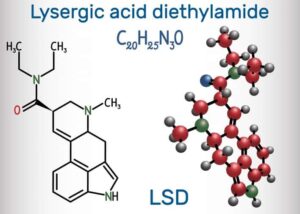
The Chemistry Behind Psychedelic Compounds
Chemistry at the Core of Psychedelic Science Every psychedelic compound...
Read More
Understanding LSD and Lysergamides
A Scientific Introduction to the Lysergamide Family Lysergamides are a...
Read More
The Future of Psychedelic Science
Shaping the Next Era of Scientific Discovery Psychedelic science is...
Read More
The Global History of Psychoactive Plants
A Botanical Journey Across Continents and Civilizations The history of...
Read More